Energy-Saving Renovation and PLC Control Optimization of Small and Medium-Sized Biomass Pyrolysis Fu
1. Industry Status and Energy Consumption Bottlenecks of Small and Medium-Sized Pyrolysis Furnaces
1.1 Operational Characteristics of Small and Medium-Sized Pyrolysis Equipment
Small and medium-sized biomass pyrolysis furnaces feature flexible deployment and low initial investment, but generally suffer from extensive manual operation, unstable parameter matching and high comprehensive energy consumption, restricting economic and clean production. Small and medium-sized biomass pyrolysis equipment is widely applied in distributed agricultural and forestry solid waste disposal, featuring compact structure, flexible site layout and low construction cost, which matches the decentralized treatment demands of rural and regional biomass resources. Different from large-scale continuous industrial furnaces, most small and medium-sized pyrolysis systems adopt semi-automatic or manual operation modes, with manual adjustment of feeding rate, combustion air volume, pyrolysis temperature and residence time. Affected by raw material fluctuations and empirical operation, the equipment runs with obvious parameter deviation, frequent working condition fluctuations and poor energy utilization consistency, forming prominent high-energy-consumption operation characteristics.
1.2 Core Energy Consumption Problems and Industrial Pain Points
Unreasonable process matching, serious heat loss and backward control mode are the three core factors leading to high energy consumption and low efficiency of small and medium-sized pyrolysis furnaces. In terms of process operation: manual regulation cannot realize real-time matching of feeding volume and pyrolysis temperature, resulting in incomplete low-temperature pyrolysis or excessive high-temperature heat loss; unreasonable air-fuel ratio leads to insufficient combustion or excess air entrainment, wasting flue gas heat. In terms of heat utilization: traditional equipment lacks standardized heat preservation and residual heat recovery structures, with serious surface heat dissipation and waste heat loss of exhaust flue gas. In terms of control management: empirical operation causes large working condition fluctuation, repeated heating and ineffective energy consumption; manual fault response is laggard, easily leading to equipment abnormal operation and additional energy loss. The above problems result in low product yield, high unit energy consumption and poor project economic benefits for small and medium-sized pyrolysis projects.
1.3 Industrial Value of Energy-Saving Renovation and Intelligent Control
Energy consumption optimization and PLC intelligent transformation are key measures to reduce operating costs, stabilize product quality and upgrade clean production level of small and medium-sized pyrolysis projects. Systematic energy-saving renovation and PLC automatic control transformation can effectively solve the pain points of high energy consumption, unstable operation and low resource utilization rate of traditional small and medium-sized pyrolysis furnaces. Through structural heat preservation optimization, residual heat recycling, process parameter optimization and full-process automatic closed-loop control, it realizes three major values: first, significantly reduce unit pyrolysis energy consumption and operation cost; second, eliminate manual operation errors, stabilize pyrolysis working conditions and improve product yield and quality consistency; third, realize refined energy management and safe and compliant intelligent operation, promoting the standardized and upgraded development of distributed biomass pyrolysis industry.
2.1 Thermal Energy Loss Paths of Pyrolysis System
The energy consumption loss of small and medium-sized pyrolysis furnaces mainly includes surface heat dissipation, flue gas residual heat loss, incomplete reaction energy consumption and invalid mechanical energy consumption. Surface heat dissipation loss occurs in furnace body, flue pipe and auxiliary equipment, caused by unreasonable heat preservation structure and thin heat insulation layer. Flue gas residual heat loss accounts for the largest proportion of system energy consumption, as high-temperature flue gas is directly discharged without recovery, carrying massive sensible heat. Incomplete reaction energy consumption is derived from mismatched temperature and residence time, leading to insufficient biomass pyrolysis and repeated heating. Invalid mechanical energy consumption includes unreasonable frequency operation of feeding fan, induced draft fan and water pump, as well as idle running loss caused by unsynchronized linkage of various equipment.
2.2 Key Process Parameters Dominating Energy Consumption Level
Pyrolysis temperature rise gradient, constant temperature interval, air-fuel ratio, feeding speed and flue gas residence time are the core parameters affecting system energy consumption and pyrolysis efficiency. Excessively fast temperature rise will cause incomplete internal pyrolysis of materials and increased secondary reaction energy consumption; excessively slow temperature rise prolongs production cycle and improves unit energy consumption. Reasonable oxygen supply and air-fuel ratio can avoid incomplete combustion heat loss and excess air heat dissipation. Matching feeding speed and flue gas residence time according to raw material moisture and particle size can stabilize pyrolysis reaction state and reduce ineffective energy consumption. Traditional manual operation cannot realize precise dynamic matching of multiple parameters, which is the essential reason for high energy consumption of equipment.
2.3 Adaptability Differences of Raw Materials and Working Conditions
Biomass raw material type, moisture content and processing load fluctuations will cause parameter mismatch and energy consumption deviation, requiring adaptive optimization regulation. Woody and herbaceous biomass differ greatly in pyrolysis heat demand and reaction rate; high-moisture raw materials need more preheating heat, easily causing temperature fluctuation and energy consumption rise. Discontinuous variable-load operation of small and medium-sized equipment leads to frequent adjustment of working conditions, and manual regulation cannot respond to load changes in real time, resulting in long-term operation in high-energy-consumption deviation state. Intelligent control and targeted process optimization are required to adapt to complex and variable raw material working conditions.
3. Systematic Energy-Saving Renovation Scheme for Small and Medium-Sized Pyrolysis Furnaces
3.1 Furnace Body Heat Preservation and Structural Energy-Saving Renovation
Optimize furnace body heat insulation structure and flue gas sealing performance to reduce surface heat dissipation and invalid heat loss from the source.
A composite heat preservation structure of high-temperature resistant ceramic fiber and thermal insulation cotton is adopted for the furnace body to increase the overall heat insulation thickness, reduce the surface temperature difference of the furnace body and effectively cut down surface heat dissipation loss. Optimize the sealing structure of furnace door, feeding port and slag discharge port to avoid cold air leakage and hot air overflow caused by poor sealing. Rectify and optimize flue pipe layout, reduce pipeline bending and resistance loss, and adopt integral heat preservation measures for flue system to reduce flue gas heat loss in transmission process. The structural renovation can reduce system heat dissipation loss by 12%–18%.
3.2 Flue Gas Waste Heat Gradient Recycling Renovation
Build flue gas waste heat recovery system to realize gradient utilization of residual heat and improve overall energy utilization rate.
A tail waste heat exchanger is installed at the flue gas outlet to recover high-temperature flue gas residual heat, which is used for raw material preheating and combustion air preheating, reducing the heat required for raw material temperature rise and furnace body heating. The condensed low-temperature waste heat is reused for system water circulation heating to realize cascade utilization of flue gas heat. Equip dust and anti-blocking devices for the waste heat recovery system to ensure long-term stable heat exchange efficiency. After renovation, the flue gas waste heat utilization rate is increased by more than 25%, and the overall unit energy consumption is significantly reduced.
3.3 Process Matching and Mechanical Energy-Saving Optimization
Optimize pyrolysis process parameters and equipment linkage operation logic to eliminate ineffective mechanical energy consumption and reaction energy loss.
Formulate segmented temperature rise and constant temperature maintenance schemes matching different raw materials to avoid repeated heating and excessive high-temperature operation. Optimize the air supply mode of primary and secondary air, realize precise air volume regulation, and maintain the optimal air-fuel ratio for pyrolysis reaction. Transform fixed-frequency motors of feeding, induced draft and water circulation equipment into variable-frequency motors, realizing stepless speed regulation with working condition changes. Establish equipment linkage start-stop logic to avoid idle running and mismatched operation of single equipment, effectively reducing mechanical invalid energy consumption.
4. Overall Design and Hardware Configuration of PLC Automatic Control System
4.1 System Design Objectives and Overall Architecture
The PLC automatic control system takes energy-saving optimization and stable operation as the core, realizing full-process closed-loop control of feeding, temperature, air volume, residence time and waste heat recovery.
The system adopts a three-layer architecture of perception layer, control layer and execution layer. The perception layer is composed of high-temperature and dust-proof sensors, which collect real-time data of furnace temperature, flue gas temperature, furnace pressure, air volume and feeding speed. The control layer takes PLC as the core controller to realize data analysis, operation judgment and instruction output. The execution layer includes variable-frequency feeders, adjustable fans, electric regulating valves and waste heat recovery execution components, realizing automatic adjustment of process parameters. The system realizes unmanned refined operation, stabilizes optimal energy-saving working conditions, and reduces manual operation errors.
4.2 Core Hardware Selection and Configuration Scheme
Match industrial-grade PLC, high-precision sensors and variable-frequency execution equipment to adapt to high-temperature and dusty harsh working conditions of pyrolysis furnaces.
The main controller adopts industrial PLC with strong anti-interference ability, which supports multi-channel signal acquisition and proportional-integral-derivative (PID) intelligent regulation. The temperature sensor selects high-temperature resistant PT100 sensor to realize real-time and accurate collection of furnace temperature and flue gas temperature. Equip pressure transmitters and air volume sensors to monitor furnace pressure and combustion air volume dynamically. All power execution equipment is equipped with frequency converters to support stepless speed regulation. The system is matched with touch screen human-computer interaction (HMI) equipment to realize real-time data display, parameter setting and fault alarm, with simple and efficient operation.
4.3 System Anti-Interference and Safety Protection Design
Optimize circuit isolation and program logic to ensure stable and safe operation of the automatic control system under complex industrial working conditions.
Adopt signal isolation and shielding measures to avoid sensor signal distortion and program disorder caused by high temperature and electromagnetic interference. Set over-temperature, over-pressure, material breakage and equipment overload protection programs. When abnormal working conditions occur, the system will automatically trigger alarm, adjust operation parameters or stop equipment linkage to avoid safety accidents and energy consumption waste caused by abnormal operation. Equip data storage and fault recording functions to facilitate subsequent operation optimization and equipment maintenance.
5. Core Control Logic, Energy-Saving Strategy and Operation Optimization
5.1 PID Intelligent Closed-Loop Regulation Strategy
Based on PID algorithm, realize dynamic closed-loop regulation of temperature, air volume and feeding, and always maintain the optimal energy-saving working condition interval.
The system takes pyrolysis temperature stability as the core target, dynamically adjusts feeding speed and air supply volume through PID algorithm, and automatically corrects parameter deviation caused by raw material fluctuation and load change. In the temperature rise stage, optimize the temperature rise gradient to avoid rapid temperature surge and energy loss; in the constant temperature pyrolysis stage, precisely control the constant temperature interval to ensure sufficient reaction and avoid excessive temperature energy consumption. Realize linkage regulation of flue gas residence time and waste heat recovery efficiency to maximize energy utilization rate.
5.2 Multi-Equipment Linkage and Energy-Saving Operation Logic
Establish synchronous linkage operation logic of feeding, air supply, pyrolysis and exhaust to eliminate mismatched energy consumption of single equipment.
The PLC system uniformly schedules all execution equipment: automatically adjust feeder speed according to furnace temperature and material pyrolysis state; dynamically match primary and secondary air volume according to feeding volume and flue gas components; linkage adjust induced draft fan frequency to stabilize furnace pressure and flue gas residence time; synchronously adjust waste heat recovery operating parameters according to flue gas temperature. Realize full-process collaborative operation of the system, avoid ineffective energy consumption caused by asynchronous equipment operation, and improve overall operation efficiency.
5.3 Adaptive Working Condition Adjustment and Fault Optimization
Realize intelligent identification of raw material and load changes, adaptive parameter adjustment and automatic optimization of energy-saving working conditions.
The system has working condition self-learning function, which can automatically store the optimal energy-saving parameters of different raw materials and loads, and quickly match the optimal operation scheme according to real-time working conditions. For common industrial faults such as material blockage, temperature fluctuation and excessive flue gas resistance, the system realizes early warning and automatic optimization adjustment, avoids long-term high-energy-consumption operation caused by minor faults, and further reduces comprehensive operation energy consumption.
6. Benefit Analysis and Industrial Application Prospects of Energy-Saving Renovation
6.1 Energy-Saving and Economic Benefits
The integration of energy-saving renovation and PLC intelligent control can significantly reduce unit energy consumption, stabilize product quality and improve the long-term economic benefits of projects.
After systematic renovation, the comprehensive energy consumption of small and medium-sized pyrolysis furnaces is reduced by 18%–25%, the equipment operation failure rate is reduced by more than 30%, and the product yield and quality stability are significantly improved. Intelligent automatic operation reduces manual investment and operation error loss, and waste heat recycling improves energy utilization efficiency, effectively reducing unit production cost. Stable and standardized operation avoids energy waste and quality loss caused by empirical regulation, ensuring long-term stable profit of pyrolysis projects.
6.2 Operational and Environmental Benefits
Intelligent energy-saving optimization realizes refined and clean operation, improving the safe production level and environmental compliance of equipment.
Precise parameter control avoids incomplete pyrolysis and excessive combustion, reduces the generation of tar and harmful flue gas, and improves the purification efficiency of tail gas treatment system. Closed-loop automatic control eliminates working condition fluctuation, realizes stable and efficient operation of equipment, reduces invalid energy consumption and carbon emission, and conforms to the development requirements of low-carbon environmental protection and clean utilization of biomass energy. The system’s automatic alarm and protection functions greatly improve the safety and reliability of equipment operation.
6.3 Future Technical Iteration and Application Prospects
Intelligent energy-saving control based on PLC will develop towards data-driven precise optimization and full intelligent unattended operation.
With the upgrading of industrial intelligent technology, the pyrolysis furnace control system will further integrate big data analysis and machine learning algorithms, realize real-time prediction and active optimization of energy consumption, and break through the limitation of traditional passive regulation. The integration of remote monitoring, data cloud storage and intelligent fault diagnosis functions will realize full-life-cycle intelligent management of equipment. Systematic energy-saving renovation and intelligent control transformation will become the standard upgrading direction of small and medium-sized distributed biomass pyrolysis projects, promoting the high-quality development of biomass energy clean utilization industry.
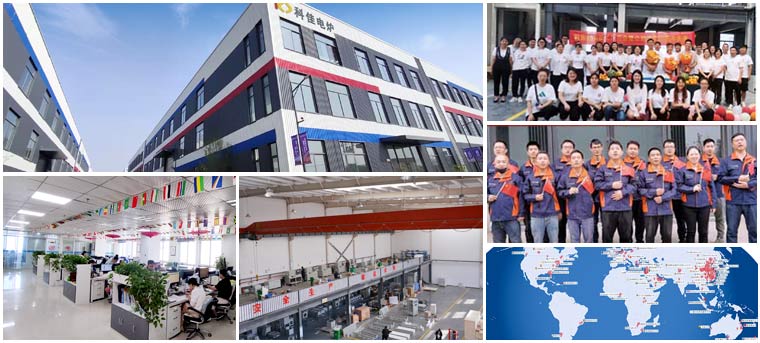
Zhengzhou Kejia Technology Co., Ltd. is a high-tech enterprise specializing in R&D and sales of heat treatment products, including muffle furnaces, tube furnaces, vacuum furnaces and more, widely used in metallurgy, ceramic sintering, battery materials, semiconductors, aerospace and other fields.
For inquiries and customized solutions, contact us via WhatsApp: +86 18037178440 or Email: web@kejiafurnace.com.
 English
 简体中文
简体中文 Русский язык
 Français
 日本語
日本語 한국어
한국어 Português
 Español
 Website navigation
 Position:








 Send E-mail:web@kejiafurnace.com
 Wechat/Whatsapp: +86 18037178440
 Company Tell: +(86)18037178440






 E-mail:web@kejiafurnace.com
 Tell:+(86) 18037178440
 Whatapp:+(86) 180-3717-8440
 Address:Room 1505, Building 9, No. 26 Dongqing Street, Zhengzhou High-tech Industrial Development Zone