Company Statement" Zhengzhou KJ Technology Co., Ltd. " belongs to the international business department of KJ Group. Starting today, the company will continue the international business contract signed or currently being performed by " Zhengzhou Kejia Furnace Co., Ltd. " See details >>

Position:Home > News

Rotary Kiln Oxygen Control: Anti-Oxidation for Solid-State Electrolyte Sintering

Time:2026-06-12

1. Industry Background: Oxidation Risks of Solid-State Electrolyte Sintering

1.1 Core Performance Requirements for Solid-State Electrolyte Sintering
High-precision oxygen content control in rotary kilns is the core guarantee to avoid structural failure and performance degradation of solid-state electrolytes during high-temperature sintering.
Solid-state batteries stand out for high safety, high energy density and long cycle life, serving as a core development direction of new energy power batteries. As the key conductive medium of solid-state batteries, solid-state electrolytes directly determine battery ionic conductivity, interfacial stability and service life. Mainstream electrolytes including sulfide, oxide and garnet-type LLZO require precise high-temperature sintering to form dense, stable crystal structures. These electrolyte materials feature high chemical activity at high temperatures and extreme sensitivity to oxygen and moisture, raising strict atmosphere control requirements for sintering production.

 
rotary kiln

1.2 Hazards of Excessive Oxygen in Sintering Environment
Excessive oxygen in the high-temperature sintering environment will trigger irreversible oxidation reactions of solid-state electrolytes, leading to reduced conductivity and scrapped products.
At sintering temperatures above 600℃, trace excessive oxygen in the rotary kiln triggers oxidative decomposition and hydrolysis side reactions in sulfide electrolytes, producing insulating oxide impurities and lattice defects. For oxide and LLZO garnet electrolytes, surplus oxygen distorts the internal oxygen ratio, damages complete ion conduction channels, and reduces ionic conductivity. Moreover, oxidation defects deteriorate electrolyte-electrode interfacial matching, increase battery internal resistance, and weaken the cycle stability and safety of solid-state batteries.

1.3 Atmosphere Control Deficiencies of Traditional Sintering Equipment
Traditional intermittent sintering equipment has poor oxygen isolation and unstable atmosphere control, which cannot meet the ultra-low oxygen sintering standards of high-end solid-state electrolytes.
Traditional box furnaces and intermittent rotary kilns suffer from poor sealing, incomplete air replacement and unstable gas flow fields. They struggle to maintain a stable ultra-low oxygen environment below 10ppm, with oxygen concentration fluctuating sharply during feeding, discharging and temperature changes. Discontinuous atmosphere control causes inconsistent material oxidation degrees and large performance deviations, greatly limiting the standardized mass production of high-purity solid-state electrolytes.


2. Core Mechanism of Rotary Kiln Oxygen Control to Prevent Electrolyte Oxidation

2.1 Closed Sealing Structure Blocks External Oxygen Infiltration
The full-range closed sealing design of the continuous rotary kiln fundamentally cuts off the oxygen infiltration channel and eliminates external oxidation interference.
Different from the semi-sealed structure of traditional sintering equipment, the solid-state electrolyte special rotary kiln adopts multi-stage mechanical sealing and anti-leakage structure at the feeding end, discharging end and furnace body connection. High-temperature resistant graphite sealing rings and fluororubber sealing components are used to realize full sealing of the furnace cavity. The whole production process from raw material feeding, high-temperature sintering to finished product discharging is completed in a closed environment without frequent opening of the furnace body. This structural design completely avoids external air infiltration caused by manual operation and equipment switching, and maintains the closed state of the sintering atmosphere in the whole process.

2.2 Vacuum Purging + Inert Gas Displacement Realizes Ultra-Low Oxygen Environment
Combined vacuum pumping and inert gas circulation displacement technology rapidly reduces furnace oxygen content to ppm level, eliminating residual oxygen oxidation.
Before formal sintering and heating, the rotary kiln system starts the vacuum pumping program to completely extract the original air and residual moisture in the furnace cavity. Then, high-purity argon or nitrogen inert gas is injected for multiple cycles of positive and negative pressure replacement, which thoroughly eliminates residual oxygen in the dead corners of the furnace tube. The stable oxygen content in the furnace is controlled below 5ppm, meeting the ultra-low oxygen sintering standard of high-precision solid-state electrolytes. This one-time thorough replacement mode avoids the problem of incomplete air removal in traditional single inflation and effectively prevents trace residual oxygen from oxidizing electrolyte materials at high temperature.

2.3 Micro Positive Pressure Inert Atmosphere Suppresses Secondary Oxygen Intrusion
The continuous micro positive pressure protection mode of the rotary kiln forms an internal and external pressure difference to dynamically resist accidental oxygen infiltration.
During the continuous sintering operation of the equipment, the system stably and continuously supplies inert gas to the furnace cavity to maintain a slight positive pressure state inside the furnace tube. The internal pressure is slightly higher than the external atmospheric pressure, which can dynamically resist the infiltration of external oxygen and water vapor caused by tiny sealing gaps and pipeline pressure fluctuations. Different from the static atmosphere of intermittent furnaces, the dynamic circulating positive pressure system of the rotary kiln can always maintain the stability of the ultra-low oxygen environment, avoid secondary oxygen pollution during long-term continuous production, and ensure that the electrolyte materials are always in a pure inert protective atmosphere during the whole high-temperature sintering stage.


3. Intelligent Oxygen Control System Configuration and Anti-Oxidation Technical Scheme

3.1 Real-Time Online Oxygen Content Monitoring and Early Warning Mechanism
The high-precision online oxygen detection system realizes full-process monitoring and early warning of furnace oxygen content to prevent abnormal oxidation risks.
The rotary kiln is equipped with high-sensitivity electrochemical oxygen sensors and laser oxygen analyzers, which conduct real-time continuous detection of oxygen content in the furnace cavity with high precision. The system sets a safe oxygen threshold for electrolyte sintering. Once the oxygen content exceeds the standard due to sealing aging, gas source fluctuation or pipeline leakage, the system will immediately trigger an audible and visual alarm, and automatically adjust the inert gas flow and vacuum degree to quickly restore the ultra-low oxygen environment. The whole-process data recording function realizes traceable management of sintering atmosphere parameters, ensuring stable and consistent anti-oxidation effects of each batch of materials.

3.2 Linked Control of Gas Flow and Furnace Pressure
The PLC intelligent linkage system synchronously adjusts inert gas flow and furnace pressure to maintain long-term stable low-oxygen atmosphere.
Aiming at the dynamic operation characteristics of the rotary kiln, the intelligent control system realizes the linkage adjustment of inert gas flow, furnace body rotating speed and internal pressure. According to the sintering process stage of preheating, constant temperature and cooling, the system dynamically matches the optimal gas supply flow rate to ensure uniform gas circulation in the furnace tube. It avoids local oxygen accumulation caused by uneven gas flow, and solves the atmosphere fluctuation problem easily occurring in dynamic sintering. The precise parameter control ensures that the oxygen content in each temperature section of the rotary kiln is kept within the safe range, and the electrolyte materials are protected from oxidation in the whole process.

3.3 Segmented Anti-Oxidation Protection for Whole Sintering Process
The whole-process segmented atmosphere protection scheme covers all stages of sintering to avoid oxidation defects in any link.
The rotary kiln adopts targeted anti-oxidation control strategies for different sintering stages of solid-state electrolytes. In the low-temperature preheating stage, rapid gas replacement is completed to remove residual air and moisture. In the high-temperature constant temperature sintering stage, ultra-low oxygen and micro positive pressure environment is stably maintained to ensure complete crystal synthesis of electrolyte materials without oxidation reaction. In the cooling and discharging stage, continuous inert gas protection is maintained to prevent high-temperature hot materials from contacting with air and causing secondary oxidation. The full-link closed-loop protection completely solves the oxidation failure problem of solid-state electrolytes in the whole sintering process.


4. Application Advantages and Industry Value of Low-Oxygen Sintering Rotary Kiln

4.1 Improve Finished Product Purity and Electrical Performance Consistency
Precise oxygen control eliminates oxidation impurities and defects, significantly improving the ionic conductivity and batch consistency of solid-state electrolytes.
By relying on the rotary kiln’s stable ultra-low oxygen sintering environment, solid-state electrolyte materials avoid oxidative decomposition and lattice damage. The prepared finished products have pure crystal phase, complete ion conduction channels, and significantly improved ionic conductivity and structural stability. The batch performance deviation of electrolyte products is effectively controlled, which provides high-quality core materials for the assembly of high-performance solid-state batteries and improves the cycle life and safety of battery products.

4.2 Adapt to Large-Scale Standardized Industrial Production
Continuous low-oxygen atmosphere control breaks the bottleneck of intermittent equipment and realizes large-scale stable production of high-quality electrolytes.
Different from intermittent furnaces that rely on repeated air replacement and have unstable atmosphere, continuous rotary kilns realize uninterrupted low-oxygen protection production. The atmosphere parameters, temperature field and gas flow state are always stable, which can meet the long-term mass production demand of solid-state electrolytes. It effectively reduces the defective rate caused by oxidation, cuts down production and rework costs, and provides reliable equipment support for the industrialization and large-scale popularization of solid-state battery materials.


5. Industry Development Prospect

With the iteration of high-performance solid-state battery technology, rotary kiln precise oxygen control technology will become the standard configuration for electrolyte sintering production. The solid-state battery industry is rapidly transforming from laboratory research to industrial mass production, with higher standards for electrolyte purity, performance consistency and production stability. Ultra-low oxygen precision atmosphere control has become a mandatory process for high-end electrolyte sintering. Intelligent continuous rotary kilns will replace traditional atmosphere furnaces and become core thermal equipment for the high-quality development of solid-state battery materials.
Intelligent and refined atmosphere control will further promote the upgrading of solid-state electrolyte manufacturing technology.

In the future, upgraded high-precision gas regulation and intelligent monitoring technologies will enable rotary kilns to achieve ppm-level precise oxygen control and full-process unattended operation. Optimized anti-oxidation sintering technology will support the development of high-performance electrolytes and accelerate the commercialization of high-safety, high-energy-density solid-state batteries.

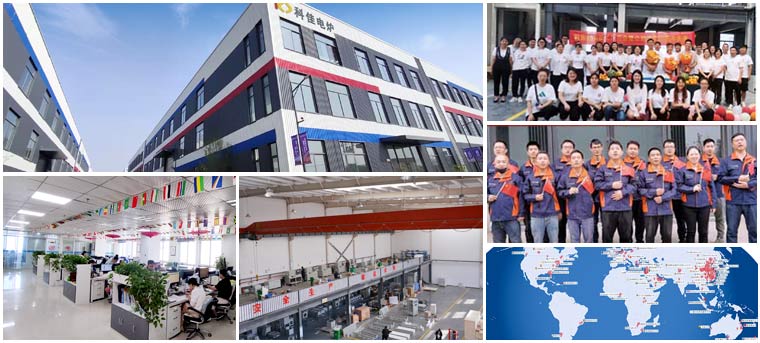
Zhengzhou Kejia Technology Co., Ltd. is a high-tech enterprise specializing in R&D and sales of heat treatment products, including muffle furnaces, tube furnaces, vacuum furnaces and more, widely used in metallurgy, ceramic sintering, battery materials, semiconductors, aerospace and other fields. 
For inquiries and customized solutions, contact us via WhatsApp: +86 18037178440 or Email: web@kejiafurnace.com.

Hot news

more>>
  • Service
  • Contact Us
  • Position:Home > News

    Rotary Kiln Oxygen Control: Anti-Oxidation for Solid-State Electrolyte Sintering

    Time:2026-06-12

    1. Industry Background: Oxidation Risks of Solid-State Electrolyte Sintering

    1.1 Core Performance Requirements for Solid-State Electrolyte Sintering
    High-precision oxygen content control in rotary kilns is the core guarantee to avoid structural failure and performance degradation of solid-state electrolytes during high-temperature sintering.
    Solid-state batteries stand out for high safety, high energy density and long cycle life, serving as a core development direction of new energy power batteries. As the key conductive medium of solid-state batteries, solid-state electrolytes directly determine battery ionic conductivity, interfacial stability and service life. Mainstream electrolytes including sulfide, oxide and garnet-type LLZO require precise high-temperature sintering to form dense, stable crystal structures. These electrolyte materials feature high chemical activity at high temperatures and extreme sensitivity to oxygen and moisture, raising strict atmosphere control requirements for sintering production.

     
    rotary kiln

    1.2 Hazards of Excessive Oxygen in Sintering Environment
    Excessive oxygen in the high-temperature sintering environment will trigger irreversible oxidation reactions of solid-state electrolytes, leading to reduced conductivity and scrapped products.
    At sintering temperatures above 600℃, trace excessive oxygen in the rotary kiln triggers oxidative decomposition and hydrolysis side reactions in sulfide electrolytes, producing insulating oxide impurities and lattice defects. For oxide and LLZO garnet electrolytes, surplus oxygen distorts the internal oxygen ratio, damages complete ion conduction channels, and reduces ionic conductivity. Moreover, oxidation defects deteriorate electrolyte-electrode interfacial matching, increase battery internal resistance, and weaken the cycle stability and safety of solid-state batteries.

    1.3 Atmosphere Control Deficiencies of Traditional Sintering Equipment
    Traditional intermittent sintering equipment has poor oxygen isolation and unstable atmosphere control, which cannot meet the ultra-low oxygen sintering standards of high-end solid-state electrolytes.
    Traditional box furnaces and intermittent rotary kilns suffer from poor sealing, incomplete air replacement and unstable gas flow fields. They struggle to maintain a stable ultra-low oxygen environment below 10ppm, with oxygen concentration fluctuating sharply during feeding, discharging and temperature changes. Discontinuous atmosphere control causes inconsistent material oxidation degrees and large performance deviations, greatly limiting the standardized mass production of high-purity solid-state electrolytes.


    2. Core Mechanism of Rotary Kiln Oxygen Control to Prevent Electrolyte Oxidation

    2.1 Closed Sealing Structure Blocks External Oxygen Infiltration
    The full-range closed sealing design of the continuous rotary kiln fundamentally cuts off the oxygen infiltration channel and eliminates external oxidation interference.
    Different from the semi-sealed structure of traditional sintering equipment, the solid-state electrolyte special rotary kiln adopts multi-stage mechanical sealing and anti-leakage structure at the feeding end, discharging end and furnace body connection. High-temperature resistant graphite sealing rings and fluororubber sealing components are used to realize full sealing of the furnace cavity. The whole production process from raw material feeding, high-temperature sintering to finished product discharging is completed in a closed environment without frequent opening of the furnace body. This structural design completely avoids external air infiltration caused by manual operation and equipment switching, and maintains the closed state of the sintering atmosphere in the whole process.

    2.2 Vacuum Purging + Inert Gas Displacement Realizes Ultra-Low Oxygen Environment
    Combined vacuum pumping and inert gas circulation displacement technology rapidly reduces furnace oxygen content to ppm level, eliminating residual oxygen oxidation.
    Before formal sintering and heating, the rotary kiln system starts the vacuum pumping program to completely extract the original air and residual moisture in the furnace cavity. Then, high-purity argon or nitrogen inert gas is injected for multiple cycles of positive and negative pressure replacement, which thoroughly eliminates residual oxygen in the dead corners of the furnace tube. The stable oxygen content in the furnace is controlled below 5ppm, meeting the ultra-low oxygen sintering standard of high-precision solid-state electrolytes. This one-time thorough replacement mode avoids the problem of incomplete air removal in traditional single inflation and effectively prevents trace residual oxygen from oxidizing electrolyte materials at high temperature.

    2.3 Micro Positive Pressure Inert Atmosphere Suppresses Secondary Oxygen Intrusion
    The continuous micro positive pressure protection mode of the rotary kiln forms an internal and external pressure difference to dynamically resist accidental oxygen infiltration.
    During the continuous sintering operation of the equipment, the system stably and continuously supplies inert gas to the furnace cavity to maintain a slight positive pressure state inside the furnace tube. The internal pressure is slightly higher than the external atmospheric pressure, which can dynamically resist the infiltration of external oxygen and water vapor caused by tiny sealing gaps and pipeline pressure fluctuations. Different from the static atmosphere of intermittent furnaces, the dynamic circulating positive pressure system of the rotary kiln can always maintain the stability of the ultra-low oxygen environment, avoid secondary oxygen pollution during long-term continuous production, and ensure that the electrolyte materials are always in a pure inert protective atmosphere during the whole high-temperature sintering stage.


    3. Intelligent Oxygen Control System Configuration and Anti-Oxidation Technical Scheme

    3.1 Real-Time Online Oxygen Content Monitoring and Early Warning Mechanism
    The high-precision online oxygen detection system realizes full-process monitoring and early warning of furnace oxygen content to prevent abnormal oxidation risks.
    The rotary kiln is equipped with high-sensitivity electrochemical oxygen sensors and laser oxygen analyzers, which conduct real-time continuous detection of oxygen content in the furnace cavity with high precision. The system sets a safe oxygen threshold for electrolyte sintering. Once the oxygen content exceeds the standard due to sealing aging, gas source fluctuation or pipeline leakage, the system will immediately trigger an audible and visual alarm, and automatically adjust the inert gas flow and vacuum degree to quickly restore the ultra-low oxygen environment. The whole-process data recording function realizes traceable management of sintering atmosphere parameters, ensuring stable and consistent anti-oxidation effects of each batch of materials.

    3.2 Linked Control of Gas Flow and Furnace Pressure
    The PLC intelligent linkage system synchronously adjusts inert gas flow and furnace pressure to maintain long-term stable low-oxygen atmosphere.
    Aiming at the dynamic operation characteristics of the rotary kiln, the intelligent control system realizes the linkage adjustment of inert gas flow, furnace body rotating speed and internal pressure. According to the sintering process stage of preheating, constant temperature and cooling, the system dynamically matches the optimal gas supply flow rate to ensure uniform gas circulation in the furnace tube. It avoids local oxygen accumulation caused by uneven gas flow, and solves the atmosphere fluctuation problem easily occurring in dynamic sintering. The precise parameter control ensures that the oxygen content in each temperature section of the rotary kiln is kept within the safe range, and the electrolyte materials are protected from oxidation in the whole process.

    3.3 Segmented Anti-Oxidation Protection for Whole Sintering Process
    The whole-process segmented atmosphere protection scheme covers all stages of sintering to avoid oxidation defects in any link.
    The rotary kiln adopts targeted anti-oxidation control strategies for different sintering stages of solid-state electrolytes. In the low-temperature preheating stage, rapid gas replacement is completed to remove residual air and moisture. In the high-temperature constant temperature sintering stage, ultra-low oxygen and micro positive pressure environment is stably maintained to ensure complete crystal synthesis of electrolyte materials without oxidation reaction. In the cooling and discharging stage, continuous inert gas protection is maintained to prevent high-temperature hot materials from contacting with air and causing secondary oxidation. The full-link closed-loop protection completely solves the oxidation failure problem of solid-state electrolytes in the whole sintering process.


    4. Application Advantages and Industry Value of Low-Oxygen Sintering Rotary Kiln

    4.1 Improve Finished Product Purity and Electrical Performance Consistency
    Precise oxygen control eliminates oxidation impurities and defects, significantly improving the ionic conductivity and batch consistency of solid-state electrolytes.
    By relying on the rotary kiln’s stable ultra-low oxygen sintering environment, solid-state electrolyte materials avoid oxidative decomposition and lattice damage. The prepared finished products have pure crystal phase, complete ion conduction channels, and significantly improved ionic conductivity and structural stability. The batch performance deviation of electrolyte products is effectively controlled, which provides high-quality core materials for the assembly of high-performance solid-state batteries and improves the cycle life and safety of battery products.

    4.2 Adapt to Large-Scale Standardized Industrial Production
    Continuous low-oxygen atmosphere control breaks the bottleneck of intermittent equipment and realizes large-scale stable production of high-quality electrolytes.
    Different from intermittent furnaces that rely on repeated air replacement and have unstable atmosphere, continuous rotary kilns realize uninterrupted low-oxygen protection production. The atmosphere parameters, temperature field and gas flow state are always stable, which can meet the long-term mass production demand of solid-state electrolytes. It effectively reduces the defective rate caused by oxidation, cuts down production and rework costs, and provides reliable equipment support for the industrialization and large-scale popularization of solid-state battery materials.


    5. Industry Development Prospect

    With the iteration of high-performance solid-state battery technology, rotary kiln precise oxygen control technology will become the standard configuration for electrolyte sintering production. The solid-state battery industry is rapidly transforming from laboratory research to industrial mass production, with higher standards for electrolyte purity, performance consistency and production stability. Ultra-low oxygen precision atmosphere control has become a mandatory process for high-end electrolyte sintering. Intelligent continuous rotary kilns will replace traditional atmosphere furnaces and become core thermal equipment for the high-quality development of solid-state battery materials.
    Intelligent and refined atmosphere control will further promote the upgrading of solid-state electrolyte manufacturing technology.

    In the future, upgraded high-precision gas regulation and intelligent monitoring technologies will enable rotary kilns to achieve ppm-level precise oxygen control and full-process unattended operation. Optimized anti-oxidation sintering technology will support the development of high-performance electrolytes and accelerate the commercialization of high-safety, high-energy-density solid-state batteries.

    Zhengzhou Kejia Technology Co., Ltd. is a high-tech enterprise specializing in R&D and sales of heat treatment products, including muffle furnaces, tube furnaces, vacuum furnaces and more, widely used in metallurgy, ceramic sintering, battery materials, semiconductors, aerospace and other fields. 
    For inquiries and customized solutions, contact us via WhatsApp: +86 18037178440 or Email: web@kejiafurnace.com.

    Hot news

    more>>
  • Service
  • Contact Us
  • Position:Home > News

    Rotary Kiln Oxygen Control: Anti-Oxidation for Solid-State Electrolyte Sintering

    Time:2026-06-12

    1. Industry Background: Oxidation Risks of Solid-State Electrolyte Sintering

    1.1 Core Performance Requirements for Solid-State Electrolyte Sintering
    High-precision oxygen content control in rotary kilns is the core guarantee to avoid structural failure and performance degradation of solid-state electrolytes during high-temperature sintering.
    Solid-state batteries stand out for high safety, high energy density and long cycle life, serving as a core development direction of new energy power batteries. As the key conductive medium of solid-state batteries, solid-state electrolytes directly determine battery ionic conductivity, interfacial stability and service life. Mainstream electrolytes including sulfide, oxide and garnet-type LLZO require precise high-temperature sintering to form dense, stable crystal structures. These electrolyte materials feature high chemical activity at high temperatures and extreme sensitivity to oxygen and moisture, raising strict atmosphere control requirements for sintering production.

     
    rotary kiln

    1.2 Hazards of Excessive Oxygen in Sintering Environment
    Excessive oxygen in the high-temperature sintering environment will trigger irreversible oxidation reactions of solid-state electrolytes, leading to reduced conductivity and scrapped products.
    At sintering temperatures above 600℃, trace excessive oxygen in the rotary kiln triggers oxidative decomposition and hydrolysis side reactions in sulfide electrolytes, producing insulating oxide impurities and lattice defects. For oxide and LLZO garnet electrolytes, surplus oxygen distorts the internal oxygen ratio, damages complete ion conduction channels, and reduces ionic conductivity. Moreover, oxidation defects deteriorate electrolyte-electrode interfacial matching, increase battery internal resistance, and weaken the cycle stability and safety of solid-state batteries.

    1.3 Atmosphere Control Deficiencies of Traditional Sintering Equipment
    Traditional intermittent sintering equipment has poor oxygen isolation and unstable atmosphere control, which cannot meet the ultra-low oxygen sintering standards of high-end solid-state electrolytes.
    Traditional box furnaces and intermittent rotary kilns suffer from poor sealing, incomplete air replacement and unstable gas flow fields. They struggle to maintain a stable ultra-low oxygen environment below 10ppm, with oxygen concentration fluctuating sharply during feeding, discharging and temperature changes. Discontinuous atmosphere control causes inconsistent material oxidation degrees and large performance deviations, greatly limiting the standardized mass production of high-purity solid-state electrolytes.


    2. Core Mechanism of Rotary Kiln Oxygen Control to Prevent Electrolyte Oxidation

    2.1 Closed Sealing Structure Blocks External Oxygen Infiltration
    The full-range closed sealing design of the continuous rotary kiln fundamentally cuts off the oxygen infiltration channel and eliminates external oxidation interference.
    Different from the semi-sealed structure of traditional sintering equipment, the solid-state electrolyte special rotary kiln adopts multi-stage mechanical sealing and anti-leakage structure at the feeding end, discharging end and furnace body connection. High-temperature resistant graphite sealing rings and fluororubber sealing components are used to realize full sealing of the furnace cavity. The whole production process from raw material feeding, high-temperature sintering to finished product discharging is completed in a closed environment without frequent opening of the furnace body. This structural design completely avoids external air infiltration caused by manual operation and equipment switching, and maintains the closed state of the sintering atmosphere in the whole process.

    2.2 Vacuum Purging + Inert Gas Displacement Realizes Ultra-Low Oxygen Environment
    Combined vacuum pumping and inert gas circulation displacement technology rapidly reduces furnace oxygen content to ppm level, eliminating residual oxygen oxidation.
    Before formal sintering and heating, the rotary kiln system starts the vacuum pumping program to completely extract the original air and residual moisture in the furnace cavity. Then, high-purity argon or nitrogen inert gas is injected for multiple cycles of positive and negative pressure replacement, which thoroughly eliminates residual oxygen in the dead corners of the furnace tube. The stable oxygen content in the furnace is controlled below 5ppm, meeting the ultra-low oxygen sintering standard of high-precision solid-state electrolytes. This one-time thorough replacement mode avoids the problem of incomplete air removal in traditional single inflation and effectively prevents trace residual oxygen from oxidizing electrolyte materials at high temperature.

    2.3 Micro Positive Pressure Inert Atmosphere Suppresses Secondary Oxygen Intrusion
    The continuous micro positive pressure protection mode of the rotary kiln forms an internal and external pressure difference to dynamically resist accidental oxygen infiltration.
    During the continuous sintering operation of the equipment, the system stably and continuously supplies inert gas to the furnace cavity to maintain a slight positive pressure state inside the furnace tube. The internal pressure is slightly higher than the external atmospheric pressure, which can dynamically resist the infiltration of external oxygen and water vapor caused by tiny sealing gaps and pipeline pressure fluctuations. Different from the static atmosphere of intermittent furnaces, the dynamic circulating positive pressure system of the rotary kiln can always maintain the stability of the ultra-low oxygen environment, avoid secondary oxygen pollution during long-term continuous production, and ensure that the electrolyte materials are always in a pure inert protective atmosphere during the whole high-temperature sintering stage.


    3. Intelligent Oxygen Control System Configuration and Anti-Oxidation Technical Scheme

    3.1 Real-Time Online Oxygen Content Monitoring and Early Warning Mechanism
    The high-precision online oxygen detection system realizes full-process monitoring and early warning of furnace oxygen content to prevent abnormal oxidation risks.
    The rotary kiln is equipped with high-sensitivity electrochemical oxygen sensors and laser oxygen analyzers, which conduct real-time continuous detection of oxygen content in the furnace cavity with high precision. The system sets a safe oxygen threshold for electrolyte sintering. Once the oxygen content exceeds the standard due to sealing aging, gas source fluctuation or pipeline leakage, the system will immediately trigger an audible and visual alarm, and automatically adjust the inert gas flow and vacuum degree to quickly restore the ultra-low oxygen environment. The whole-process data recording function realizes traceable management of sintering atmosphere parameters, ensuring stable and consistent anti-oxidation effects of each batch of materials.

    3.2 Linked Control of Gas Flow and Furnace Pressure
    The PLC intelligent linkage system synchronously adjusts inert gas flow and furnace pressure to maintain long-term stable low-oxygen atmosphere.
    Aiming at the dynamic operation characteristics of the rotary kiln, the intelligent control system realizes the linkage adjustment of inert gas flow, furnace body rotating speed and internal pressure. According to the sintering process stage of preheating, constant temperature and cooling, the system dynamically matches the optimal gas supply flow rate to ensure uniform gas circulation in the furnace tube. It avoids local oxygen accumulation caused by uneven gas flow, and solves the atmosphere fluctuation problem easily occurring in dynamic sintering. The precise parameter control ensures that the oxygen content in each temperature section of the rotary kiln is kept within the safe range, and the electrolyte materials are protected from oxidation in the whole process.

    3.3 Segmented Anti-Oxidation Protection for Whole Sintering Process
    The whole-process segmented atmosphere protection scheme covers all stages of sintering to avoid oxidation defects in any link.
    The rotary kiln adopts targeted anti-oxidation control strategies for different sintering stages of solid-state electrolytes. In the low-temperature preheating stage, rapid gas replacement is completed to remove residual air and moisture. In the high-temperature constant temperature sintering stage, ultra-low oxygen and micro positive pressure environment is stably maintained to ensure complete crystal synthesis of electrolyte materials without oxidation reaction. In the cooling and discharging stage, continuous inert gas protection is maintained to prevent high-temperature hot materials from contacting with air and causing secondary oxidation. The full-link closed-loop protection completely solves the oxidation failure problem of solid-state electrolytes in the whole sintering process.


    4. Application Advantages and Industry Value of Low-Oxygen Sintering Rotary Kiln

    4.1 Improve Finished Product Purity and Electrical Performance Consistency
    Precise oxygen control eliminates oxidation impurities and defects, significantly improving the ionic conductivity and batch consistency of solid-state electrolytes.
    By relying on the rotary kiln’s stable ultra-low oxygen sintering environment, solid-state electrolyte materials avoid oxidative decomposition and lattice damage. The prepared finished products have pure crystal phase, complete ion conduction channels, and significantly improved ionic conductivity and structural stability. The batch performance deviation of electrolyte products is effectively controlled, which provides high-quality core materials for the assembly of high-performance solid-state batteries and improves the cycle life and safety of battery products.

    4.2 Adapt to Large-Scale Standardized Industrial Production
    Continuous low-oxygen atmosphere control breaks the bottleneck of intermittent equipment and realizes large-scale stable production of high-quality electrolytes.
    Different from intermittent furnaces that rely on repeated air replacement and have unstable atmosphere, continuous rotary kilns realize uninterrupted low-oxygen protection production. The atmosphere parameters, temperature field and gas flow state are always stable, which can meet the long-term mass production demand of solid-state electrolytes. It effectively reduces the defective rate caused by oxidation, cuts down production and rework costs, and provides reliable equipment support for the industrialization and large-scale popularization of solid-state battery materials.


    5. Industry Development Prospect

    With the iteration of high-performance solid-state battery technology, rotary kiln precise oxygen control technology will become the standard configuration for electrolyte sintering production. The solid-state battery industry is rapidly transforming from laboratory research to industrial mass production, with higher standards for electrolyte purity, performance consistency and production stability. Ultra-low oxygen precision atmosphere control has become a mandatory process for high-end electrolyte sintering. Intelligent continuous rotary kilns will replace traditional atmosphere furnaces and become core thermal equipment for the high-quality development of solid-state battery materials.
    Intelligent and refined atmosphere control will further promote the upgrading of solid-state electrolyte manufacturing technology.

    In the future, upgraded high-precision gas regulation and intelligent monitoring technologies will enable rotary kilns to achieve ppm-level precise oxygen control and full-process unattended operation. Optimized anti-oxidation sintering technology will support the development of high-performance electrolytes and accelerate the commercialization of high-safety, high-energy-density solid-state batteries.

    Zhengzhou Kejia Technology Co., Ltd. is a high-tech enterprise specializing in R&D and sales of heat treatment products, including muffle furnaces, tube furnaces, vacuum furnaces and more, widely used in metallurgy, ceramic sintering, battery materials, semiconductors, aerospace and other fields. 
    For inquiries and customized solutions, contact us via WhatsApp: +86 18037178440 or Email: web@kejiafurnace.com.

    Hot news

    more>>
  • Service
  • Contact Us
  • Position:Home > News

    Rotary Kiln Oxygen Control: Anti-Oxidation for Solid-State Electrolyte Sintering

    Time:2026-06-12

    1. Industry Background: Oxidation Risks of Solid-State Electrolyte Sintering

    1.1 Core Performance Requirements for Solid-State Electrolyte Sintering
    High-precision oxygen content control in rotary kilns is the core guarantee to avoid structural failure and performance degradation of solid-state electrolytes during high-temperature sintering.
    Solid-state batteries stand out for high safety, high energy density and long cycle life, serving as a core development direction of new energy power batteries. As the key conductive medium of solid-state batteries, solid-state electrolytes directly determine battery ionic conductivity, interfacial stability and service life. Mainstream electrolytes including sulfide, oxide and garnet-type LLZO require precise high-temperature sintering to form dense, stable crystal structures. These electrolyte materials feature high chemical activity at high temperatures and extreme sensitivity to oxygen and moisture, raising strict atmosphere control requirements for sintering production.

     
    rotary kiln

    1.2 Hazards of Excessive Oxygen in Sintering Environment
    Excessive oxygen in the high-temperature sintering environment will trigger irreversible oxidation reactions of solid-state electrolytes, leading to reduced conductivity and scrapped products.
    At sintering temperatures above 600℃, trace excessive oxygen in the rotary kiln triggers oxidative decomposition and hydrolysis side reactions in sulfide electrolytes, producing insulating oxide impurities and lattice defects. For oxide and LLZO garnet electrolytes, surplus oxygen distorts the internal oxygen ratio, damages complete ion conduction channels, and reduces ionic conductivity. Moreover, oxidation defects deteriorate electrolyte-electrode interfacial matching, increase battery internal resistance, and weaken the cycle stability and safety of solid-state batteries.

    1.3 Atmosphere Control Deficiencies of Traditional Sintering Equipment
    Traditional intermittent sintering equipment has poor oxygen isolation and unstable atmosphere control, which cannot meet the ultra-low oxygen sintering standards of high-end solid-state electrolytes.
    Traditional box furnaces and intermittent rotary kilns suffer from poor sealing, incomplete air replacement and unstable gas flow fields. They struggle to maintain a stable ultra-low oxygen environment below 10ppm, with oxygen concentration fluctuating sharply during feeding, discharging and temperature changes. Discontinuous atmosphere control causes inconsistent material oxidation degrees and large performance deviations, greatly limiting the standardized mass production of high-purity solid-state electrolytes.


    2. Core Mechanism of Rotary Kiln Oxygen Control to Prevent Electrolyte Oxidation

    2.1 Closed Sealing Structure Blocks External Oxygen Infiltration
    The full-range closed sealing design of the continuous rotary kiln fundamentally cuts off the oxygen infiltration channel and eliminates external oxidation interference.
    Different from the semi-sealed structure of traditional sintering equipment, the solid-state electrolyte special rotary kiln adopts multi-stage mechanical sealing and anti-leakage structure at the feeding end, discharging end and furnace body connection. High-temperature resistant graphite sealing rings and fluororubber sealing components are used to realize full sealing of the furnace cavity. The whole production process from raw material feeding, high-temperature sintering to finished product discharging is completed in a closed environment without frequent opening of the furnace body. This structural design completely avoids external air infiltration caused by manual operation and equipment switching, and maintains the closed state of the sintering atmosphere in the whole process.

    2.2 Vacuum Purging + Inert Gas Displacement Realizes Ultra-Low Oxygen Environment
    Combined vacuum pumping and inert gas circulation displacement technology rapidly reduces furnace oxygen content to ppm level, eliminating residual oxygen oxidation.
    Before formal sintering and heating, the rotary kiln system starts the vacuum pumping program to completely extract the original air and residual moisture in the furnace cavity. Then, high-purity argon or nitrogen inert gas is injected for multiple cycles of positive and negative pressure replacement, which thoroughly eliminates residual oxygen in the dead corners of the furnace tube. The stable oxygen content in the furnace is controlled below 5ppm, meeting the ultra-low oxygen sintering standard of high-precision solid-state electrolytes. This one-time thorough replacement mode avoids the problem of incomplete air removal in traditional single inflation and effectively prevents trace residual oxygen from oxidizing electrolyte materials at high temperature.

    2.3 Micro Positive Pressure Inert Atmosphere Suppresses Secondary Oxygen Intrusion
    The continuous micro positive pressure protection mode of the rotary kiln forms an internal and external pressure difference to dynamically resist accidental oxygen infiltration.
    During the continuous sintering operation of the equipment, the system stably and continuously supplies inert gas to the furnace cavity to maintain a slight positive pressure state inside the furnace tube. The internal pressure is slightly higher than the external atmospheric pressure, which can dynamically resist the infiltration of external oxygen and water vapor caused by tiny sealing gaps and pipeline pressure fluctuations. Different from the static atmosphere of intermittent furnaces, the dynamic circulating positive pressure system of the rotary kiln can always maintain the stability of the ultra-low oxygen environment, avoid secondary oxygen pollution during long-term continuous production, and ensure that the electrolyte materials are always in a pure inert protective atmosphere during the whole high-temperature sintering stage.


    3. Intelligent Oxygen Control System Configuration and Anti-Oxidation Technical Scheme

    3.1 Real-Time Online Oxygen Content Monitoring and Early Warning Mechanism
    The high-precision online oxygen detection system realizes full-process monitoring and early warning of furnace oxygen content to prevent abnormal oxidation risks.
    The rotary kiln is equipped with high-sensitivity electrochemical oxygen sensors and laser oxygen analyzers, which conduct real-time continuous detection of oxygen content in the furnace cavity with high precision. The system sets a safe oxygen threshold for electrolyte sintering. Once the oxygen content exceeds the standard due to sealing aging, gas source fluctuation or pipeline leakage, the system will immediately trigger an audible and visual alarm, and automatically adjust the inert gas flow and vacuum degree to quickly restore the ultra-low oxygen environment. The whole-process data recording function realizes traceable management of sintering atmosphere parameters, ensuring stable and consistent anti-oxidation effects of each batch of materials.

    3.2 Linked Control of Gas Flow and Furnace Pressure
    The PLC intelligent linkage system synchronously adjusts inert gas flow and furnace pressure to maintain long-term stable low-oxygen atmosphere.
    Aiming at the dynamic operation characteristics of the rotary kiln, the intelligent control system realizes the linkage adjustment of inert gas flow, furnace body rotating speed and internal pressure. According to the sintering process stage of preheating, constant temperature and cooling, the system dynamically matches the optimal gas supply flow rate to ensure uniform gas circulation in the furnace tube. It avoids local oxygen accumulation caused by uneven gas flow, and solves the atmosphere fluctuation problem easily occurring in dynamic sintering. The precise parameter control ensures that the oxygen content in each temperature section of the rotary kiln is kept within the safe range, and the electrolyte materials are protected from oxidation in the whole process.

    3.3 Segmented Anti-Oxidation Protection for Whole Sintering Process
    The whole-process segmented atmosphere protection scheme covers all stages of sintering to avoid oxidation defects in any link.
    The rotary kiln adopts targeted anti-oxidation control strategies for different sintering stages of solid-state electrolytes. In the low-temperature preheating stage, rapid gas replacement is completed to remove residual air and moisture. In the high-temperature constant temperature sintering stage, ultra-low oxygen and micro positive pressure environment is stably maintained to ensure complete crystal synthesis of electrolyte materials without oxidation reaction. In the cooling and discharging stage, continuous inert gas protection is maintained to prevent high-temperature hot materials from contacting with air and causing secondary oxidation. The full-link closed-loop protection completely solves the oxidation failure problem of solid-state electrolytes in the whole sintering process.


    4. Application Advantages and Industry Value of Low-Oxygen Sintering Rotary Kiln

    4.1 Improve Finished Product Purity and Electrical Performance Consistency
    Precise oxygen control eliminates oxidation impurities and defects, significantly improving the ionic conductivity and batch consistency of solid-state electrolytes.
    By relying on the rotary kiln’s stable ultra-low oxygen sintering environment, solid-state electrolyte materials avoid oxidative decomposition and lattice damage. The prepared finished products have pure crystal phase, complete ion conduction channels, and significantly improved ionic conductivity and structural stability. The batch performance deviation of electrolyte products is effectively controlled, which provides high-quality core materials for the assembly of high-performance solid-state batteries and improves the cycle life and safety of battery products.

    4.2 Adapt to Large-Scale Standardized Industrial Production
    Continuous low-oxygen atmosphere control breaks the bottleneck of intermittent equipment and realizes large-scale stable production of high-quality electrolytes.
    Different from intermittent furnaces that rely on repeated air replacement and have unstable atmosphere, continuous rotary kilns realize uninterrupted low-oxygen protection production. The atmosphere parameters, temperature field and gas flow state are always stable, which can meet the long-term mass production demand of solid-state electrolytes. It effectively reduces the defective rate caused by oxidation, cuts down production and rework costs, and provides reliable equipment support for the industrialization and large-scale popularization of solid-state battery materials.


    5. Industry Development Prospect

    With the iteration of high-performance solid-state battery technology, rotary kiln precise oxygen control technology will become the standard configuration for electrolyte sintering production. The solid-state battery industry is rapidly transforming from laboratory research to industrial mass production, with higher standards for electrolyte purity, performance consistency and production stability. Ultra-low oxygen precision atmosphere control has become a mandatory process for high-end electrolyte sintering. Intelligent continuous rotary kilns will replace traditional atmosphere furnaces and become core thermal equipment for the high-quality development of solid-state battery materials.
    Intelligent and refined atmosphere control will further promote the upgrading of solid-state electrolyte manufacturing technology.

    In the future, upgraded high-precision gas regulation and intelligent monitoring technologies will enable rotary kilns to achieve ppm-level precise oxygen control and full-process unattended operation. Optimized anti-oxidation sintering technology will support the development of high-performance electrolytes and accelerate the commercialization of high-safety, high-energy-density solid-state batteries.

    Zhengzhou Kejia Technology Co., Ltd. is a high-tech enterprise specializing in R&D and sales of heat treatment products, including muffle furnaces, tube furnaces, vacuum furnaces and more, widely used in metallurgy, ceramic sintering, battery materials, semiconductors, aerospace and other fields. 
    For inquiries and customized solutions, contact us via WhatsApp: +86 18037178440 or Email: web@kejiafurnace.com.

    Hot news

    more>>
  • Service
  • Contact Us
  • Position:Home > News

    Rotary Kiln Oxygen Control: Anti-Oxidation for Solid-State Electrolyte Sintering

    Time:2026-06-12

    1. Industry Background: Oxidation Risks of Solid-State Electrolyte Sintering

    1.1 Core Performance Requirements for Solid-State Electrolyte Sintering
    High-precision oxygen content control in rotary kilns is the core guarantee to avoid structural failure and performance degradation of solid-state electrolytes during high-temperature sintering.
    Solid-state batteries stand out for high safety, high energy density and long cycle life, serving as a core development direction of new energy power batteries. As the key conductive medium of solid-state batteries, solid-state electrolytes directly determine battery ionic conductivity, interfacial stability and service life. Mainstream electrolytes including sulfide, oxide and garnet-type LLZO require precise high-temperature sintering to form dense, stable crystal structures. These electrolyte materials feature high chemical activity at high temperatures and extreme sensitivity to oxygen and moisture, raising strict atmosphere control requirements for sintering production.

     
    rotary kiln

    1.2 Hazards of Excessive Oxygen in Sintering Environment
    Excessive oxygen in the high-temperature sintering environment will trigger irreversible oxidation reactions of solid-state electrolytes, leading to reduced conductivity and scrapped products.
    At sintering temperatures above 600℃, trace excessive oxygen in the rotary kiln triggers oxidative decomposition and hydrolysis side reactions in sulfide electrolytes, producing insulating oxide impurities and lattice defects. For oxide and LLZO garnet electrolytes, surplus oxygen distorts the internal oxygen ratio, damages complete ion conduction channels, and reduces ionic conductivity. Moreover, oxidation defects deteriorate electrolyte-electrode interfacial matching, increase battery internal resistance, and weaken the cycle stability and safety of solid-state batteries.

    1.3 Atmosphere Control Deficiencies of Traditional Sintering Equipment
    Traditional intermittent sintering equipment has poor oxygen isolation and unstable atmosphere control, which cannot meet the ultra-low oxygen sintering standards of high-end solid-state electrolytes.
    Traditional box furnaces and intermittent rotary kilns suffer from poor sealing, incomplete air replacement and unstable gas flow fields. They struggle to maintain a stable ultra-low oxygen environment below 10ppm, with oxygen concentration fluctuating sharply during feeding, discharging and temperature changes. Discontinuous atmosphere control causes inconsistent material oxidation degrees and large performance deviations, greatly limiting the standardized mass production of high-purity solid-state electrolytes.


    2. Core Mechanism of Rotary Kiln Oxygen Control to Prevent Electrolyte Oxidation

    2.1 Closed Sealing Structure Blocks External Oxygen Infiltration
    The full-range closed sealing design of the continuous rotary kiln fundamentally cuts off the oxygen infiltration channel and eliminates external oxidation interference.
    Different from the semi-sealed structure of traditional sintering equipment, the solid-state electrolyte special rotary kiln adopts multi-stage mechanical sealing and anti-leakage structure at the feeding end, discharging end and furnace body connection. High-temperature resistant graphite sealing rings and fluororubber sealing components are used to realize full sealing of the furnace cavity. The whole production process from raw material feeding, high-temperature sintering to finished product discharging is completed in a closed environment without frequent opening of the furnace body. This structural design completely avoids external air infiltration caused by manual operation and equipment switching, and maintains the closed state of the sintering atmosphere in the whole process.

    2.2 Vacuum Purging + Inert Gas Displacement Realizes Ultra-Low Oxygen Environment
    Combined vacuum pumping and inert gas circulation displacement technology rapidly reduces furnace oxygen content to ppm level, eliminating residual oxygen oxidation.
    Before formal sintering and heating, the rotary kiln system starts the vacuum pumping program to completely extract the original air and residual moisture in the furnace cavity. Then, high-purity argon or nitrogen inert gas is injected for multiple cycles of positive and negative pressure replacement, which thoroughly eliminates residual oxygen in the dead corners of the furnace tube. The stable oxygen content in the furnace is controlled below 5ppm, meeting the ultra-low oxygen sintering standard of high-precision solid-state electrolytes. This one-time thorough replacement mode avoids the problem of incomplete air removal in traditional single inflation and effectively prevents trace residual oxygen from oxidizing electrolyte materials at high temperature.

    2.3 Micro Positive Pressure Inert Atmosphere Suppresses Secondary Oxygen Intrusion
    The continuous micro positive pressure protection mode of the rotary kiln forms an internal and external pressure difference to dynamically resist accidental oxygen infiltration.
    During the continuous sintering operation of the equipment, the system stably and continuously supplies inert gas to the furnace cavity to maintain a slight positive pressure state inside the furnace tube. The internal pressure is slightly higher than the external atmospheric pressure, which can dynamically resist the infiltration of external oxygen and water vapor caused by tiny sealing gaps and pipeline pressure fluctuations. Different from the static atmosphere of intermittent furnaces, the dynamic circulating positive pressure system of the rotary kiln can always maintain the stability of the ultra-low oxygen environment, avoid secondary oxygen pollution during long-term continuous production, and ensure that the electrolyte materials are always in a pure inert protective atmosphere during the whole high-temperature sintering stage.


    3. Intelligent Oxygen Control System Configuration and Anti-Oxidation Technical Scheme

    3.1 Real-Time Online Oxygen Content Monitoring and Early Warning Mechanism
    The high-precision online oxygen detection system realizes full-process monitoring and early warning of furnace oxygen content to prevent abnormal oxidation risks.
    The rotary kiln is equipped with high-sensitivity electrochemical oxygen sensors and laser oxygen analyzers, which conduct real-time continuous detection of oxygen content in the furnace cavity with high precision. The system sets a safe oxygen threshold for electrolyte sintering. Once the oxygen content exceeds the standard due to sealing aging, gas source fluctuation or pipeline leakage, the system will immediately trigger an audible and visual alarm, and automatically adjust the inert gas flow and vacuum degree to quickly restore the ultra-low oxygen environment. The whole-process data recording function realizes traceable management of sintering atmosphere parameters, ensuring stable and consistent anti-oxidation effects of each batch of materials.

    3.2 Linked Control of Gas Flow and Furnace Pressure
    The PLC intelligent linkage system synchronously adjusts inert gas flow and furnace pressure to maintain long-term stable low-oxygen atmosphere.
    Aiming at the dynamic operation characteristics of the rotary kiln, the intelligent control system realizes the linkage adjustment of inert gas flow, furnace body rotating speed and internal pressure. According to the sintering process stage of preheating, constant temperature and cooling, the system dynamically matches the optimal gas supply flow rate to ensure uniform gas circulation in the furnace tube. It avoids local oxygen accumulation caused by uneven gas flow, and solves the atmosphere fluctuation problem easily occurring in dynamic sintering. The precise parameter control ensures that the oxygen content in each temperature section of the rotary kiln is kept within the safe range, and the electrolyte materials are protected from oxidation in the whole process.

    3.3 Segmented Anti-Oxidation Protection for Whole Sintering Process
    The whole-process segmented atmosphere protection scheme covers all stages of sintering to avoid oxidation defects in any link.
    The rotary kiln adopts targeted anti-oxidation control strategies for different sintering stages of solid-state electrolytes. In the low-temperature preheating stage, rapid gas replacement is completed to remove residual air and moisture. In the high-temperature constant temperature sintering stage, ultra-low oxygen and micro positive pressure environment is stably maintained to ensure complete crystal synthesis of electrolyte materials without oxidation reaction. In the cooling and discharging stage, continuous inert gas protection is maintained to prevent high-temperature hot materials from contacting with air and causing secondary oxidation. The full-link closed-loop protection completely solves the oxidation failure problem of solid-state electrolytes in the whole sintering process.


    4. Application Advantages and Industry Value of Low-Oxygen Sintering Rotary Kiln

    4.1 Improve Finished Product Purity and Electrical Performance Consistency
    Precise oxygen control eliminates oxidation impurities and defects, significantly improving the ionic conductivity and batch consistency of solid-state electrolytes.
    By relying on the rotary kiln’s stable ultra-low oxygen sintering environment, solid-state electrolyte materials avoid oxidative decomposition and lattice damage. The prepared finished products have pure crystal phase, complete ion conduction channels, and significantly improved ionic conductivity and structural stability. The batch performance deviation of electrolyte products is effectively controlled, which provides high-quality core materials for the assembly of high-performance solid-state batteries and improves the cycle life and safety of battery products.

    4.2 Adapt to Large-Scale Standardized Industrial Production
    Continuous low-oxygen atmosphere control breaks the bottleneck of intermittent equipment and realizes large-scale stable production of high-quality electrolytes.
    Different from intermittent furnaces that rely on repeated air replacement and have unstable atmosphere, continuous rotary kilns realize uninterrupted low-oxygen protection production. The atmosphere parameters, temperature field and gas flow state are always stable, which can meet the long-term mass production demand of solid-state electrolytes. It effectively reduces the defective rate caused by oxidation, cuts down production and rework costs, and provides reliable equipment support for the industrialization and large-scale popularization of solid-state battery materials.


    5. Industry Development Prospect

    With the iteration of high-performance solid-state battery technology, rotary kiln precise oxygen control technology will become the standard configuration for electrolyte sintering production. The solid-state battery industry is rapidly transforming from laboratory research to industrial mass production, with higher standards for electrolyte purity, performance consistency and production stability. Ultra-low oxygen precision atmosphere control has become a mandatory process for high-end electrolyte sintering. Intelligent continuous rotary kilns will replace traditional atmosphere furnaces and become core thermal equipment for the high-quality development of solid-state battery materials.
    Intelligent and refined atmosphere control will further promote the upgrading of solid-state electrolyte manufacturing technology.

    In the future, upgraded high-precision gas regulation and intelligent monitoring technologies will enable rotary kilns to achieve ppm-level precise oxygen control and full-process unattended operation. Optimized anti-oxidation sintering technology will support the development of high-performance electrolytes and accelerate the commercialization of high-safety, high-energy-density solid-state batteries.

    Zhengzhou Kejia Technology Co., Ltd. is a high-tech enterprise specializing in R&D and sales of heat treatment products, including muffle furnaces, tube furnaces, vacuum furnaces and more, widely used in metallurgy, ceramic sintering, battery materials, semiconductors, aerospace and other fields. 
    For inquiries and customized solutions, contact us via WhatsApp: +86 18037178440 or Email: web@kejiafurnace.com.

    Hot news

    more>>
  • Service
  • Contact Us
  • Position:Home > News

    Rotary Kiln Oxygen Control: Anti-Oxidation for Solid-State Electrolyte Sintering

    Time:2026-06-12

    1. Industry Background: Oxidation Risks of Solid-State Electrolyte Sintering

    1.1 Core Performance Requirements for Solid-State Electrolyte Sintering
    High-precision oxygen content control in rotary kilns is the core guarantee to avoid structural failure and performance degradation of solid-state electrolytes during high-temperature sintering.
    Solid-state batteries stand out for high safety, high energy density and long cycle life, serving as a core development direction of new energy power batteries. As the key conductive medium of solid-state batteries, solid-state electrolytes directly determine battery ionic conductivity, interfacial stability and service life. Mainstream electrolytes including sulfide, oxide and garnet-type LLZO require precise high-temperature sintering to form dense, stable crystal structures. These electrolyte materials feature high chemical activity at high temperatures and extreme sensitivity to oxygen and moisture, raising strict atmosphere control requirements for sintering production.

     
    rotary kiln

    1.2 Hazards of Excessive Oxygen in Sintering Environment
    Excessive oxygen in the high-temperature sintering environment will trigger irreversible oxidation reactions of solid-state electrolytes, leading to reduced conductivity and scrapped products.
    At sintering temperatures above 600℃, trace excessive oxygen in the rotary kiln triggers oxidative decomposition and hydrolysis side reactions in sulfide electrolytes, producing insulating oxide impurities and lattice defects. For oxide and LLZO garnet electrolytes, surplus oxygen distorts the internal oxygen ratio, damages complete ion conduction channels, and reduces ionic conductivity. Moreover, oxidation defects deteriorate electrolyte-electrode interfacial matching, increase battery internal resistance, and weaken the cycle stability and safety of solid-state batteries.

    1.3 Atmosphere Control Deficiencies of Traditional Sintering Equipment
    Traditional intermittent sintering equipment has poor oxygen isolation and unstable atmosphere control, which cannot meet the ultra-low oxygen sintering standards of high-end solid-state electrolytes.
    Traditional box furnaces and intermittent rotary kilns suffer from poor sealing, incomplete air replacement and unstable gas flow fields. They struggle to maintain a stable ultra-low oxygen environment below 10ppm, with oxygen concentration fluctuating sharply during feeding, discharging and temperature changes. Discontinuous atmosphere control causes inconsistent material oxidation degrees and large performance deviations, greatly limiting the standardized mass production of high-purity solid-state electrolytes.


    2. Core Mechanism of Rotary Kiln Oxygen Control to Prevent Electrolyte Oxidation

    2.1 Closed Sealing Structure Blocks External Oxygen Infiltration
    The full-range closed sealing design of the continuous rotary kiln fundamentally cuts off the oxygen infiltration channel and eliminates external oxidation interference.
    Different from the semi-sealed structure of traditional sintering equipment, the solid-state electrolyte special rotary kiln adopts multi-stage mechanical sealing and anti-leakage structure at the feeding end, discharging end and furnace body connection. High-temperature resistant graphite sealing rings and fluororubber sealing components are used to realize full sealing of the furnace cavity. The whole production process from raw material feeding, high-temperature sintering to finished product discharging is completed in a closed environment without frequent opening of the furnace body. This structural design completely avoids external air infiltration caused by manual operation and equipment switching, and maintains the closed state of the sintering atmosphere in the whole process.

    2.2 Vacuum Purging + Inert Gas Displacement Realizes Ultra-Low Oxygen Environment
    Combined vacuum pumping and inert gas circulation displacement technology rapidly reduces furnace oxygen content to ppm level, eliminating residual oxygen oxidation.
    Before formal sintering and heating, the rotary kiln system starts the vacuum pumping program to completely extract the original air and residual moisture in the furnace cavity. Then, high-purity argon or nitrogen inert gas is injected for multiple cycles of positive and negative pressure replacement, which thoroughly eliminates residual oxygen in the dead corners of the furnace tube. The stable oxygen content in the furnace is controlled below 5ppm, meeting the ultra-low oxygen sintering standard of high-precision solid-state electrolytes. This one-time thorough replacement mode avoids the problem of incomplete air removal in traditional single inflation and effectively prevents trace residual oxygen from oxidizing electrolyte materials at high temperature.

    2.3 Micro Positive Pressure Inert Atmosphere Suppresses Secondary Oxygen Intrusion
    The continuous micro positive pressure protection mode of the rotary kiln forms an internal and external pressure difference to dynamically resist accidental oxygen infiltration.
    During the continuous sintering operation of the equipment, the system stably and continuously supplies inert gas to the furnace cavity to maintain a slight positive pressure state inside the furnace tube. The internal pressure is slightly higher than the external atmospheric pressure, which can dynamically resist the infiltration of external oxygen and water vapor caused by tiny sealing gaps and pipeline pressure fluctuations. Different from the static atmosphere of intermittent furnaces, the dynamic circulating positive pressure system of the rotary kiln can always maintain the stability of the ultra-low oxygen environment, avoid secondary oxygen pollution during long-term continuous production, and ensure that the electrolyte materials are always in a pure inert protective atmosphere during the whole high-temperature sintering stage.


    3. Intelligent Oxygen Control System Configuration and Anti-Oxidation Technical Scheme

    3.1 Real-Time Online Oxygen Content Monitoring and Early Warning Mechanism
    The high-precision online oxygen detection system realizes full-process monitoring and early warning of furnace oxygen content to prevent abnormal oxidation risks.
    The rotary kiln is equipped with high-sensitivity electrochemical oxygen sensors and laser oxygen analyzers, which conduct real-time continuous detection of oxygen content in the furnace cavity with high precision. The system sets a safe oxygen threshold for electrolyte sintering. Once the oxygen content exceeds the standard due to sealing aging, gas source fluctuation or pipeline leakage, the system will immediately trigger an audible and visual alarm, and automatically adjust the inert gas flow and vacuum degree to quickly restore the ultra-low oxygen environment. The whole-process data recording function realizes traceable management of sintering atmosphere parameters, ensuring stable and consistent anti-oxidation effects of each batch of materials.

    3.2 Linked Control of Gas Flow and Furnace Pressure
    The PLC intelligent linkage system synchronously adjusts inert gas flow and furnace pressure to maintain long-term stable low-oxygen atmosphere.
    Aiming at the dynamic operation characteristics of the rotary kiln, the intelligent control system realizes the linkage adjustment of inert gas flow, furnace body rotating speed and internal pressure. According to the sintering process stage of preheating, constant temperature and cooling, the system dynamically matches the optimal gas supply flow rate to ensure uniform gas circulation in the furnace tube. It avoids local oxygen accumulation caused by uneven gas flow, and solves the atmosphere fluctuation problem easily occurring in dynamic sintering. The precise parameter control ensures that the oxygen content in each temperature section of the rotary kiln is kept within the safe range, and the electrolyte materials are protected from oxidation in the whole process.

    3.3 Segmented Anti-Oxidation Protection for Whole Sintering Process
    The whole-process segmented atmosphere protection scheme covers all stages of sintering to avoid oxidation defects in any link.
    The rotary kiln adopts targeted anti-oxidation control strategies for different sintering stages of solid-state electrolytes. In the low-temperature preheating stage, rapid gas replacement is completed to remove residual air and moisture. In the high-temperature constant temperature sintering stage, ultra-low oxygen and micro positive pressure environment is stably maintained to ensure complete crystal synthesis of electrolyte materials without oxidation reaction. In the cooling and discharging stage, continuous inert gas protection is maintained to prevent high-temperature hot materials from contacting with air and causing secondary oxidation. The full-link closed-loop protection completely solves the oxidation failure problem of solid-state electrolytes in the whole sintering process.


    4. Application Advantages and Industry Value of Low-Oxygen Sintering Rotary Kiln

    4.1 Improve Finished Product Purity and Electrical Performance Consistency
    Precise oxygen control eliminates oxidation impurities and defects, significantly improving the ionic conductivity and batch consistency of solid-state electrolytes.
    By relying on the rotary kiln’s stable ultra-low oxygen sintering environment, solid-state electrolyte materials avoid oxidative decomposition and lattice damage. The prepared finished products have pure crystal phase, complete ion conduction channels, and significantly improved ionic conductivity and structural stability. The batch performance deviation of electrolyte products is effectively controlled, which provides high-quality core materials for the assembly of high-performance solid-state batteries and improves the cycle life and safety of battery products.

    4.2 Adapt to Large-Scale Standardized Industrial Production
    Continuous low-oxygen atmosphere control breaks the bottleneck of intermittent equipment and realizes large-scale stable production of high-quality electrolytes.
    Different from intermittent furnaces that rely on repeated air replacement and have unstable atmosphere, continuous rotary kilns realize uninterrupted low-oxygen protection production. The atmosphere parameters, temperature field and gas flow state are always stable, which can meet the long-term mass production demand of solid-state electrolytes. It effectively reduces the defective rate caused by oxidation, cuts down production and rework costs, and provides reliable equipment support for the industrialization and large-scale popularization of solid-state battery materials.


    5. Industry Development Prospect

    With the iteration of high-performance solid-state battery technology, rotary kiln precise oxygen control technology will become the standard configuration for electrolyte sintering production. The solid-state battery industry is rapidly transforming from laboratory research to industrial mass production, with higher standards for electrolyte purity, performance consistency and production stability. Ultra-low oxygen precision atmosphere control has become a mandatory process for high-end electrolyte sintering. Intelligent continuous rotary kilns will replace traditional atmosphere furnaces and become core thermal equipment for the high-quality development of solid-state battery materials.
    Intelligent and refined atmosphere control will further promote the upgrading of solid-state electrolyte manufacturing technology.

    In the future, upgraded high-precision gas regulation and intelligent monitoring technologies will enable rotary kilns to achieve ppm-level precise oxygen control and full-process unattended operation. Optimized anti-oxidation sintering technology will support the development of high-performance electrolytes and accelerate the commercialization of high-safety, high-energy-density solid-state batteries.

    Zhengzhou Kejia Technology Co., Ltd. is a high-tech enterprise specializing in R&D and sales of heat treatment products, including muffle furnaces, tube furnaces, vacuum furnaces and more, widely used in metallurgy, ceramic sintering, battery materials, semiconductors, aerospace and other fields. 
    For inquiries and customized solutions, contact us via WhatsApp: +86 18037178440 or Email: web@kejiafurnace.com.

    Hot news

    more>>
  • Service
  • Contact Us
  • Position:Home > News

    Rotary Kiln Oxygen Control: Anti-Oxidation for Solid-State Electrolyte Sintering

    Time:2026-06-12

    1. Industry Background: Oxidation Risks of Solid-State Electrolyte Sintering

    1.1 Core Performance Requirements for Solid-State Electrolyte Sintering
    High-precision oxygen content control in rotary kilns is the core guarantee to avoid structural failure and performance degradation of solid-state electrolytes during high-temperature sintering.
    Solid-state batteries stand out for high safety, high energy density and long cycle life, serving as a core development direction of new energy power batteries. As the key conductive medium of solid-state batteries, solid-state electrolytes directly determine battery ionic conductivity, interfacial stability and service life. Mainstream electrolytes including sulfide, oxide and garnet-type LLZO require precise high-temperature sintering to form dense, stable crystal structures. These electrolyte materials feature high chemical activity at high temperatures and extreme sensitivity to oxygen and moisture, raising strict atmosphere control requirements for sintering production.

     
    rotary kiln

    1.2 Hazards of Excessive Oxygen in Sintering Environment
    Excessive oxygen in the high-temperature sintering environment will trigger irreversible oxidation reactions of solid-state electrolytes, leading to reduced conductivity and scrapped products.
    At sintering temperatures above 600℃, trace excessive oxygen in the rotary kiln triggers oxidative decomposition and hydrolysis side reactions in sulfide electrolytes, producing insulating oxide impurities and lattice defects. For oxide and LLZO garnet electrolytes, surplus oxygen distorts the internal oxygen ratio, damages complete ion conduction channels, and reduces ionic conductivity. Moreover, oxidation defects deteriorate electrolyte-electrode interfacial matching, increase battery internal resistance, and weaken the cycle stability and safety of solid-state batteries.

    1.3 Atmosphere Control Deficiencies of Traditional Sintering Equipment
    Traditional intermittent sintering equipment has poor oxygen isolation and unstable atmosphere control, which cannot meet the ultra-low oxygen sintering standards of high-end solid-state electrolytes.
    Traditional box furnaces and intermittent rotary kilns suffer from poor sealing, incomplete air replacement and unstable gas flow fields. They struggle to maintain a stable ultra-low oxygen environment below 10ppm, with oxygen concentration fluctuating sharply during feeding, discharging and temperature changes. Discontinuous atmosphere control causes inconsistent material oxidation degrees and large performance deviations, greatly limiting the standardized mass production of high-purity solid-state electrolytes.


    2. Core Mechanism of Rotary Kiln Oxygen Control to Prevent Electrolyte Oxidation

    2.1 Closed Sealing Structure Blocks External Oxygen Infiltration
    The full-range closed sealing design of the continuous rotary kiln fundamentally cuts off the oxygen infiltration channel and eliminates external oxidation interference.
    Different from the semi-sealed structure of traditional sintering equipment, the solid-state electrolyte special rotary kiln adopts multi-stage mechanical sealing and anti-leakage structure at the feeding end, discharging end and furnace body connection. High-temperature resistant graphite sealing rings and fluororubber sealing components are used to realize full sealing of the furnace cavity. The whole production process from raw material feeding, high-temperature sintering to finished product discharging is completed in a closed environment without frequent opening of the furnace body. This structural design completely avoids external air infiltration caused by manual operation and equipment switching, and maintains the closed state of the sintering atmosphere in the whole process.

    2.2 Vacuum Purging + Inert Gas Displacement Realizes Ultra-Low Oxygen Environment
    Combined vacuum pumping and inert gas circulation displacement technology rapidly reduces furnace oxygen content to ppm level, eliminating residual oxygen oxidation.
    Before formal sintering and heating, the rotary kiln system starts the vacuum pumping program to completely extract the original air and residual moisture in the furnace cavity. Then, high-purity argon or nitrogen inert gas is injected for multiple cycles of positive and negative pressure replacement, which thoroughly eliminates residual oxygen in the dead corners of the furnace tube. The stable oxygen content in the furnace is controlled below 5ppm, meeting the ultra-low oxygen sintering standard of high-precision solid-state electrolytes. This one-time thorough replacement mode avoids the problem of incomplete air removal in traditional single inflation and effectively prevents trace residual oxygen from oxidizing electrolyte materials at high temperature.

    2.3 Micro Positive Pressure Inert Atmosphere Suppresses Secondary Oxygen Intrusion
    The continuous micro positive pressure protection mode of the rotary kiln forms an internal and external pressure difference to dynamically resist accidental oxygen infiltration.
    During the continuous sintering operation of the equipment, the system stably and continuously supplies inert gas to the furnace cavity to maintain a slight positive pressure state inside the furnace tube. The internal pressure is slightly higher than the external atmospheric pressure, which can dynamically resist the infiltration of external oxygen and water vapor caused by tiny sealing gaps and pipeline pressure fluctuations. Different from the static atmosphere of intermittent furnaces, the dynamic circulating positive pressure system of the rotary kiln can always maintain the stability of the ultra-low oxygen environment, avoid secondary oxygen pollution during long-term continuous production, and ensure that the electrolyte materials are always in a pure inert protective atmosphere during the whole high-temperature sintering stage.


    3. Intelligent Oxygen Control System Configuration and Anti-Oxidation Technical Scheme

    3.1 Real-Time Online Oxygen Content Monitoring and Early Warning Mechanism
    The high-precision online oxygen detection system realizes full-process monitoring and early warning of furnace oxygen content to prevent abnormal oxidation risks.
    The rotary kiln is equipped with high-sensitivity electrochemical oxygen sensors and laser oxygen analyzers, which conduct real-time continuous detection of oxygen content in the furnace cavity with high precision. The system sets a safe oxygen threshold for electrolyte sintering. Once the oxygen content exceeds the standard due to sealing aging, gas source fluctuation or pipeline leakage, the system will immediately trigger an audible and visual alarm, and automatically adjust the inert gas flow and vacuum degree to quickly restore the ultra-low oxygen environment. The whole-process data recording function realizes traceable management of sintering atmosphere parameters, ensuring stable and consistent anti-oxidation effects of each batch of materials.

    3.2 Linked Control of Gas Flow and Furnace Pressure
    The PLC intelligent linkage system synchronously adjusts inert gas flow and furnace pressure to maintain long-term stable low-oxygen atmosphere.
    Aiming at the dynamic operation characteristics of the rotary kiln, the intelligent control system realizes the linkage adjustment of inert gas flow, furnace body rotating speed and internal pressure. According to the sintering process stage of preheating, constant temperature and cooling, the system dynamically matches the optimal gas supply flow rate to ensure uniform gas circulation in the furnace tube. It avoids local oxygen accumulation caused by uneven gas flow, and solves the atmosphere fluctuation problem easily occurring in dynamic sintering. The precise parameter control ensures that the oxygen content in each temperature section of the rotary kiln is kept within the safe range, and the electrolyte materials are protected from oxidation in the whole process.

    3.3 Segmented Anti-Oxidation Protection for Whole Sintering Process
    The whole-process segmented atmosphere protection scheme covers all stages of sintering to avoid oxidation defects in any link.
    The rotary kiln adopts targeted anti-oxidation control strategies for different sintering stages of solid-state electrolytes. In the low-temperature preheating stage, rapid gas replacement is completed to remove residual air and moisture. In the high-temperature constant temperature sintering stage, ultra-low oxygen and micro positive pressure environment is stably maintained to ensure complete crystal synthesis of electrolyte materials without oxidation reaction. In the cooling and discharging stage, continuous inert gas protection is maintained to prevent high-temperature hot materials from contacting with air and causing secondary oxidation. The full-link closed-loop protection completely solves the oxidation failure problem of solid-state electrolytes in the whole sintering process.


    4. Application Advantages and Industry Value of Low-Oxygen Sintering Rotary Kiln

    4.1 Improve Finished Product Purity and Electrical Performance Consistency
    Precise oxygen control eliminates oxidation impurities and defects, significantly improving the ionic conductivity and batch consistency of solid-state electrolytes.
    By relying on the rotary kiln’s stable ultra-low oxygen sintering environment, solid-state electrolyte materials avoid oxidative decomposition and lattice damage. The prepared finished products have pure crystal phase, complete ion conduction channels, and significantly improved ionic conductivity and structural stability. The batch performance deviation of electrolyte products is effectively controlled, which provides high-quality core materials for the assembly of high-performance solid-state batteries and improves the cycle life and safety of battery products.

    4.2 Adapt to Large-Scale Standardized Industrial Production
    Continuous low-oxygen atmosphere control breaks the bottleneck of intermittent equipment and realizes large-scale stable production of high-quality electrolytes.
    Different from intermittent furnaces that rely on repeated air replacement and have unstable atmosphere, continuous rotary kilns realize uninterrupted low-oxygen protection production. The atmosphere parameters, temperature field and gas flow state are always stable, which can meet the long-term mass production demand of solid-state electrolytes. It effectively reduces the defective rate caused by oxidation, cuts down production and rework costs, and provides reliable equipment support for the industrialization and large-scale popularization of solid-state battery materials.


    5. Industry Development Prospect

    With the iteration of high-performance solid-state battery technology, rotary kiln precise oxygen control technology will become the standard configuration for electrolyte sintering production. The solid-state battery industry is rapidly transforming from laboratory research to industrial mass production, with higher standards for electrolyte purity, performance consistency and production stability. Ultra-low oxygen precision atmosphere control has become a mandatory process for high-end electrolyte sintering. Intelligent continuous rotary kilns will replace traditional atmosphere furnaces and become core thermal equipment for the high-quality development of solid-state battery materials.
    Intelligent and refined atmosphere control will further promote the upgrading of solid-state electrolyte manufacturing technology.

    In the future, upgraded high-precision gas regulation and intelligent monitoring technologies will enable rotary kilns to achieve ppm-level precise oxygen control and full-process unattended operation. Optimized anti-oxidation sintering technology will support the development of high-performance electrolytes and accelerate the commercialization of high-safety, high-energy-density solid-state batteries.

    Zhengzhou Kejia Technology Co., Ltd. is a high-tech enterprise specializing in R&D and sales of heat treatment products, including muffle furnaces, tube furnaces, vacuum furnaces and more, widely used in metallurgy, ceramic sintering, battery materials, semiconductors, aerospace and other fields. 
    For inquiries and customized solutions, contact us via WhatsApp: +86 18037178440 or Email: web@kejiafurnace.com.

    Hot news

    more>>
  • Service
  • Contact Us
  • Position:Home > News

    Rotary Kiln Oxygen Control: Anti-Oxidation for Solid-State Electrolyte Sintering

    Time:2026-06-12

    1. Industry Background: Oxidation Risks of Solid-State Electrolyte Sintering

    1.1 Core Performance Requirements for Solid-State Electrolyte Sintering
    High-precision oxygen content control in rotary kilns is the core guarantee to avoid structural failure and performance degradation of solid-state electrolytes during high-temperature sintering.
    Solid-state batteries stand out for high safety, high energy density and long cycle life, serving as a core development direction of new energy power batteries. As the key conductive medium of solid-state batteries, solid-state electrolytes directly determine battery ionic conductivity, interfacial stability and service life. Mainstream electrolytes including sulfide, oxide and garnet-type LLZO require precise high-temperature sintering to form dense, stable crystal structures. These electrolyte materials feature high chemical activity at high temperatures and extreme sensitivity to oxygen and moisture, raising strict atmosphere control requirements for sintering production.

     
    rotary kiln

    1.2 Hazards of Excessive Oxygen in Sintering Environment
    Excessive oxygen in the high-temperature sintering environment will trigger irreversible oxidation reactions of solid-state electrolytes, leading to reduced conductivity and scrapped products.
    At sintering temperatures above 600℃, trace excessive oxygen in the rotary kiln triggers oxidative decomposition and hydrolysis side reactions in sulfide electrolytes, producing insulating oxide impurities and lattice defects. For oxide and LLZO garnet electrolytes, surplus oxygen distorts the internal oxygen ratio, damages complete ion conduction channels, and reduces ionic conductivity. Moreover, oxidation defects deteriorate electrolyte-electrode interfacial matching, increase battery internal resistance, and weaken the cycle stability and safety of solid-state batteries.

    1.3 Atmosphere Control Deficiencies of Traditional Sintering Equipment
    Traditional intermittent sintering equipment has poor oxygen isolation and unstable atmosphere control, which cannot meet the ultra-low oxygen sintering standards of high-end solid-state electrolytes.
    Traditional box furnaces and intermittent rotary kilns suffer from poor sealing, incomplete air replacement and unstable gas flow fields. They struggle to maintain a stable ultra-low oxygen environment below 10ppm, with oxygen concentration fluctuating sharply during feeding, discharging and temperature changes. Discontinuous atmosphere control causes inconsistent material oxidation degrees and large performance deviations, greatly limiting the standardized mass production of high-purity solid-state electrolytes.


    2. Core Mechanism of Rotary Kiln Oxygen Control to Prevent Electrolyte Oxidation

    2.1 Closed Sealing Structure Blocks External Oxygen Infiltration
    The full-range closed sealing design of the continuous rotary kiln fundamentally cuts off the oxygen infiltration channel and eliminates external oxidation interference.
    Different from the semi-sealed structure of traditional sintering equipment, the solid-state electrolyte special rotary kiln adopts multi-stage mechanical sealing and anti-leakage structure at the feeding end, discharging end and furnace body connection. High-temperature resistant graphite sealing rings and fluororubber sealing components are used to realize full sealing of the furnace cavity. The whole production process from raw material feeding, high-temperature sintering to finished product discharging is completed in a closed environment without frequent opening of the furnace body. This structural design completely avoids external air infiltration caused by manual operation and equipment switching, and maintains the closed state of the sintering atmosphere in the whole process.

    2.2 Vacuum Purging + Inert Gas Displacement Realizes Ultra-Low Oxygen Environment
    Combined vacuum pumping and inert gas circulation displacement technology rapidly reduces furnace oxygen content to ppm level, eliminating residual oxygen oxidation.
    Before formal sintering and heating, the rotary kiln system starts the vacuum pumping program to completely extract the original air and residual moisture in the furnace cavity. Then, high-purity argon or nitrogen inert gas is injected for multiple cycles of positive and negative pressure replacement, which thoroughly eliminates residual oxygen in the dead corners of the furnace tube. The stable oxygen content in the furnace is controlled below 5ppm, meeting the ultra-low oxygen sintering standard of high-precision solid-state electrolytes. This one-time thorough replacement mode avoids the problem of incomplete air removal in traditional single inflation and effectively prevents trace residual oxygen from oxidizing electrolyte materials at high temperature.

    2.3 Micro Positive Pressure Inert Atmosphere Suppresses Secondary Oxygen Intrusion
    The continuous micro positive pressure protection mode of the rotary kiln forms an internal and external pressure difference to dynamically resist accidental oxygen infiltration.
    During the continuous sintering operation of the equipment, the system stably and continuously supplies inert gas to the furnace cavity to maintain a slight positive pressure state inside the furnace tube. The internal pressure is slightly higher than the external atmospheric pressure, which can dynamically resist the infiltration of external oxygen and water vapor caused by tiny sealing gaps and pipeline pressure fluctuations. Different from the static atmosphere of intermittent furnaces, the dynamic circulating positive pressure system of the rotary kiln can always maintain the stability of the ultra-low oxygen environment, avoid secondary oxygen pollution during long-term continuous production, and ensure that the electrolyte materials are always in a pure inert protective atmosphere during the whole high-temperature sintering stage.


    3. Intelligent Oxygen Control System Configuration and Anti-Oxidation Technical Scheme

    3.1 Real-Time Online Oxygen Content Monitoring and Early Warning Mechanism
    The high-precision online oxygen detection system realizes full-process monitoring and early warning of furnace oxygen content to prevent abnormal oxidation risks.
    The rotary kiln is equipped with high-sensitivity electrochemical oxygen sensors and laser oxygen analyzers, which conduct real-time continuous detection of oxygen content in the furnace cavity with high precision. The system sets a safe oxygen threshold for electrolyte sintering. Once the oxygen content exceeds the standard due to sealing aging, gas source fluctuation or pipeline leakage, the system will immediately trigger an audible and visual alarm, and automatically adjust the inert gas flow and vacuum degree to quickly restore the ultra-low oxygen environment. The whole-process data recording function realizes traceable management of sintering atmosphere parameters, ensuring stable and consistent anti-oxidation effects of each batch of materials.

    3.2 Linked Control of Gas Flow and Furnace Pressure
    The PLC intelligent linkage system synchronously adjusts inert gas flow and furnace pressure to maintain long-term stable low-oxygen atmosphere.
    Aiming at the dynamic operation characteristics of the rotary kiln, the intelligent control system realizes the linkage adjustment of inert gas flow, furnace body rotating speed and internal pressure. According to the sintering process stage of preheating, constant temperature and cooling, the system dynamically matches the optimal gas supply flow rate to ensure uniform gas circulation in the furnace tube. It avoids local oxygen accumulation caused by uneven gas flow, and solves the atmosphere fluctuation problem easily occurring in dynamic sintering. The precise parameter control ensures that the oxygen content in each temperature section of the rotary kiln is kept within the safe range, and the electrolyte materials are protected from oxidation in the whole process.

    3.3 Segmented Anti-Oxidation Protection for Whole Sintering Process
    The whole-process segmented atmosphere protection scheme covers all stages of sintering to avoid oxidation defects in any link.
    The rotary kiln adopts targeted anti-oxidation control strategies for different sintering stages of solid-state electrolytes. In the low-temperature preheating stage, rapid gas replacement is completed to remove residual air and moisture. In the high-temperature constant temperature sintering stage, ultra-low oxygen and micro positive pressure environment is stably maintained to ensure complete crystal synthesis of electrolyte materials without oxidation reaction. In the cooling and discharging stage, continuous inert gas protection is maintained to prevent high-temperature hot materials from contacting with air and causing secondary oxidation. The full-link closed-loop protection completely solves the oxidation failure problem of solid-state electrolytes in the whole sintering process.


    4. Application Advantages and Industry Value of Low-Oxygen Sintering Rotary Kiln

    4.1 Improve Finished Product Purity and Electrical Performance Consistency
    Precise oxygen control eliminates oxidation impurities and defects, significantly improving the ionic conductivity and batch consistency of solid-state electrolytes.
    By relying on the rotary kiln’s stable ultra-low oxygen sintering environment, solid-state electrolyte materials avoid oxidative decomposition and lattice damage. The prepared finished products have pure crystal phase, complete ion conduction channels, and significantly improved ionic conductivity and structural stability. The batch performance deviation of electrolyte products is effectively controlled, which provides high-quality core materials for the assembly of high-performance solid-state batteries and improves the cycle life and safety of battery products.

    4.2 Adapt to Large-Scale Standardized Industrial Production
    Continuous low-oxygen atmosphere control breaks the bottleneck of intermittent equipment and realizes large-scale stable production of high-quality electrolytes.
    Different from intermittent furnaces that rely on repeated air replacement and have unstable atmosphere, continuous rotary kilns realize uninterrupted low-oxygen protection production. The atmosphere parameters, temperature field and gas flow state are always stable, which can meet the long-term mass production demand of solid-state electrolytes. It effectively reduces the defective rate caused by oxidation, cuts down production and rework costs, and provides reliable equipment support for the industrialization and large-scale popularization of solid-state battery materials.


    5. Industry Development Prospect

    With the iteration of high-performance solid-state battery technology, rotary kiln precise oxygen control technology will become the standard configuration for electrolyte sintering production. The solid-state battery industry is rapidly transforming from laboratory research to industrial mass production, with higher standards for electrolyte purity, performance consistency and production stability. Ultra-low oxygen precision atmosphere control has become a mandatory process for high-end electrolyte sintering. Intelligent continuous rotary kilns will replace traditional atmosphere furnaces and become core thermal equipment for the high-quality development of solid-state battery materials.
    Intelligent and refined atmosphere control will further promote the upgrading of solid-state electrolyte manufacturing technology.

    In the future, upgraded high-precision gas regulation and intelligent monitoring technologies will enable rotary kilns to achieve ppm-level precise oxygen control and full-process unattended operation. Optimized anti-oxidation sintering technology will support the development of high-performance electrolytes and accelerate the commercialization of high-safety, high-energy-density solid-state batteries.

    Zhengzhou Kejia Technology Co., Ltd. is a high-tech enterprise specializing in R&D and sales of heat treatment products, including muffle furnaces, tube furnaces, vacuum furnaces and more, widely used in metallurgy, ceramic sintering, battery materials, semiconductors, aerospace and other fields. 
    For inquiries and customized solutions, contact us via WhatsApp: +86 18037178440 or Email: web@kejiafurnace.com.

    Hot news

    more>>

    Inquiry

    Please leave a message here. We will reply you in 24 hours.

    Application areas

    Professional Process, Effortless Purchase

    Click to inquire

    Tel Number

    180-3717-8440

    Email

    web@kejiafurnace.com

    FaceBook

    Zhengzhou/Kejia

    YouTuBe

    Zhengzhou/Kejia

    kejialiuyan