Lithium Sulfide Sintering Furnace for Solid Electrolyte: Challenges & Breakthroughs
As the core precursor for sulfide solid electrolytes, lithium sulfide production directly determines the industrialization pace of all-solid-state batteries. Lithium sulfide is prone to oxidation and hydrolysis, highly sensitive to impurities, and releases toxic hydrogen sulfide during sintering, making conventional lithium battery sintering equipment completely unsuitable. Specialized lithium sulfide sintering furnaces have thus become a key bottleneck in solid electrolyte mass production. The industry is continuously optimizing sintering processes, equipment design and structural development, while addressing common pain points including corrosion, yield and product consistency, with clear technology upgrade directions now established.1. Core Process Requirements for Lithium Sulfide SinteringLithium sulfide sintering requires far stricter conditions than standard lithium battery materials, forming the foundation for dedicated furnace design. Four core requirements guide equipment development:
1. Ultra-Dry & Oxygen-Free Environment: Lithium sulfide hydrolyzes with water to release toxic hydrogen sulfide and oxidizes with oxygen to form lithium sulfate impurities. Water and oxygen levels must be stably controlled below 1ppm, with full isolation from outside air to prevent material degradation.
2. Ultra-Low Impurity Standards: Sulfide solid electrolytes tolerate no more than 10ppm of iron, silicon, aluminum and other impurities. Excess impurities directly reduce ionic conductivity, so furnace body precipitation must be eliminated throughout sintering.
3. Precise Temperature & Thermal Field Control: Sintering temperature ranges from 600 to 900℃, with strict requirements for thermal uniformity. Uneven heating causes large differences in material crystallinity, leading to unstable electrolyte performance.
4. Hermetic Sealing & Raw Material Recovery: Fully sealed furnace design with dedicated hydrogen sulfide treatment systems prevents toxic gas leakage. Volatilized sulfur is also recycled to cut raw material waste and reduce sulfur vapor corrosion.
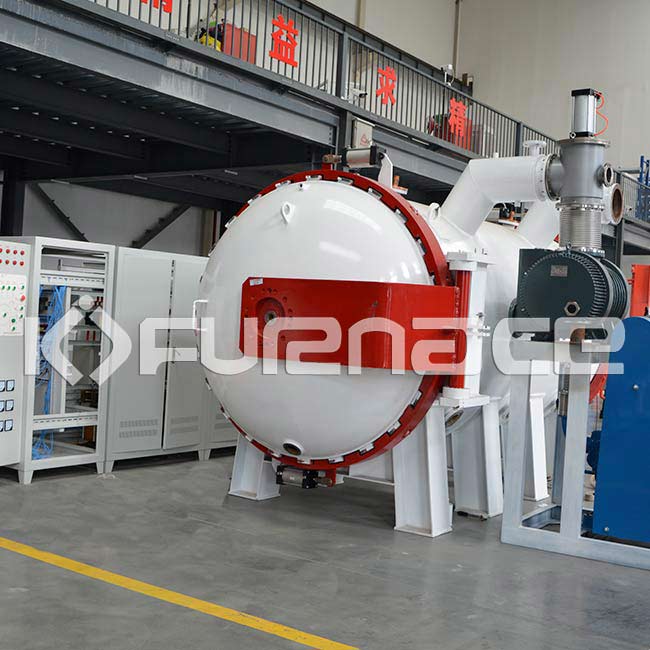
1. High Vacuum Atmosphere Box Furnace: Designed for small-batch laboratory R&D, it offers low cost and flexible operation for 100-gram sample batches, ideal for formula optimization. However, it has low output and poor consistency, unfit for large-scale production.
2. High-Purity Corundum Pusher Furnace: Suitable for pilot and small-to-medium scale production, it enables semi-continuous ton-level batch processing. The downside is static sintering causes material agglomeration, and subsequent crushing easily introduces impurities.
3. Special Coated Alloy Rotary Kiln: Covers R&D to full mass production, with dynamic sintering for uniform heating and zero agglomeration. Discharge rate is over 30% higher than pusher furnaces, and anti-corrosion coated liners resist sulfur vapor corrosion, making it the top choice for industrial solid electrolyte production.3. Key Structural Design FeaturesUnlike standard sintering furnaces, specialized lithium sulfide models focus on anti-pollution, environmental control, safety and efficiency, with five core design advantages:
1. Specialized Furnace Liner Materials: No ordinary iron-containing refractories allowed. Options include 99.9%+ high-purity corundum or Hastelloy/Inconel alloy liners, coated with 1-2mm boron nitride or silicon carbide to block impurities and resist corrosion.
2. High-Precision Atmosphere Control: Equipped with argon purification and online water-oxygen monitors, maintaining 100-200Pa micro-positive pressure to block outside air. Alerts and auto-protection triggers activate if oxygen levels exceed limits.
3. Multi-Zone Thermal Optimization: 3-5 independent PID-controlled heating zones with uniform heat liners avoid local over-sintering or under-sintering, ensuring consistent material crystallinity.
4. High-Grade Sealing & Safety: Fully welded sealed structure with double-stage magnetic dynamic seals. Matching hydrogen sulfide alarms and two-stage tail gas treatment run emergency argon flushing and ventilation for anomalies.
5. Sulfur Recovery System: Condensation recovery unit at the exhaust port recycles volatilized sulfur, cutting raw material loss by over 10% and extending pipeline and equipment life.4. Industry Pain Points & Technology Trends(1) Core Industry Challenges
R&D and application of lithium sulfide sintering furnaces remain in a breakthrough phase. Common issues include high-temperature sulfur vapor corrosion (cutting standard alloy liner life to just 2 years, raising replacement costs), low static sintering yield (only 60-70%) with impurity risks from agglomerate crushing, and inconsistent crystallinity and purity for small-batch custom orders.
(2) Key Technology Development Directions
1. Develop corrosion-resistant composite coating liners to extend service life beyond 5 years, reduce material adhesion and boost discharge efficiency;
2. Upgrade dynamic stirring sintering in rotary kilns for full uniform heating, lifting yield to over 90% and eliminating crushing-related impurities;
3. Build fully enclosed linked production lines, connecting furnaces with glove boxes for feeding and discharge to keep materials airtight, avoiding oxidation and hydrolysis entirely.5. Industry OutlookSulfide solid electrolytes are a mainstream all-solid-state battery route thanks to ionic conductivity close to liquid electrolytes, and lithium sulfide is a critical precursor. Mass production process breakthroughs are vital for industry growth. Global manufacturers are accelerating R&D and scaled deployment of dedicated sintering furnaces. As anti-corrosion coatings, dynamic sintering and fully enclosed lines mature, lithium sulfide production efficiency and purity will rise, costs will fall, supporting large-scale solid electrolyte application and faster all-solid-state battery industrialization.
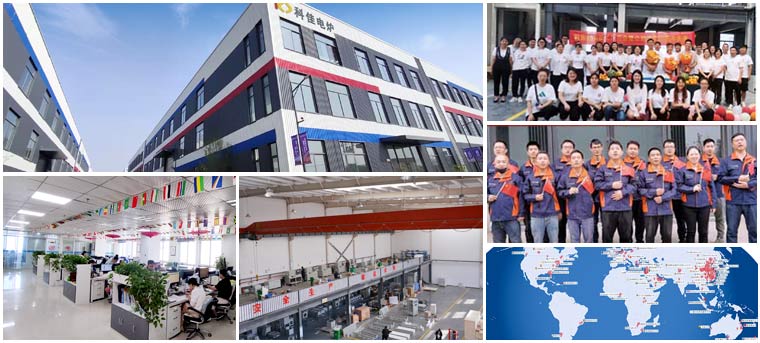
Zhengzhou KJ Technology Co., Ltd. is a high-tech enterprise specializing in the research, development and sales of heat treatment products. Our products cover muffle furnaces, tube furnaces, vacuum furnaces, atmosphere furnaces, CVD/PECVD systems, dental furnaces, bell type furnaces , trolley furnaces, etc., which are widely used in metallurgy, vacuum brazing, ceramic sintering, battery materials, metal processing , parts annealing, additive manufacturing, semiconductors, scientific intelligent instrumentation, aerospace and industrial automatic control systems and other different fields.
Please feel free to contact us.
WhatsApp: +86 18037178440
Email: web@kejiafurnace.com
 English
 简体中文
简体中文 Русский язык
 Français
 日本語
日本語 한국어
한국어 Português
 Español
 Website navigation
 Position:








 Send E-mail:web@kejiafurnace.com
 Wechat/Whatsapp: +86 18037178440
 Company Tell: +(86)18037178440




 E-mail:web@kejiafurnace.com
 Tell:+(86) 18037178440
 Whatapp:+(86) 180-3717-8440
 Address:Room 1505, Building 9, No. 26 Dongqing Street, Zhengzhou High-tech Industrial Development Zone