Ceramic Precision Sintering: Vacuum Furnace Temperature & Atmosphere Control
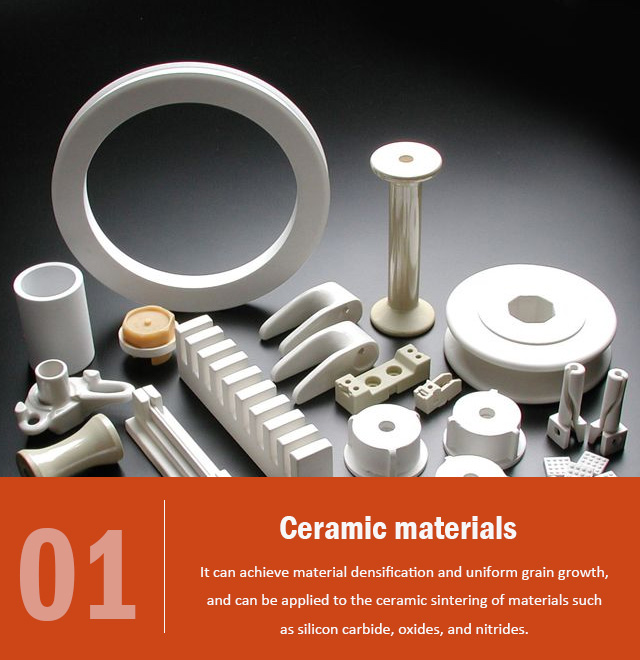
1. Introduction: The Decisive Impact of Precision Sintering on Ceramic Component PerformanceCeramic materials are increasingly widely used in high-end manufacturing fields such as aerospace, electronic information, and medical devices due to their excellent properties including high strength, high temperature resistance, and corrosion resistance. As a key process for ceramic component forming, precision sintering directly determines the product's density, mechanical properties, dimensional accuracy, and microstructural stability. Vacuum furnaces, as the core equipment for precision sintering, their temperature control accuracy and atmosphere control technology are the two core elements ensuring the sintering quality of ceramic components. The coordinated optimization of both has become the key to breaking through the bottlenecks in high-end ceramic component manufacturing.
2. Temperature Control Accuracy of Vacuum Furnaces: The Temperature Benchmark Guarantee for Precision Sintering(1) Core Technical Indicators of Temperature Control AccuracyPrecision sintering has strict requirements for temperature. Generally, the temperature uniformity in the furnace chamber needs to be controlled within ±1℃, the heating rate error should not exceed 5%, and the temperature fluctuation during the holding stage should be ≤±0.5℃. This precision requirement stems from the thermodynamic characteristics of ceramic sintering: excessively high temperatures can easily lead to abnormal grain growth, uneven sintering shrinkage, and cause component deformation and cracking; excessively low temperatures will result in incomplete sintering and insufficient density, failing to meet the design performance.(2) Key Technologies for Achieving High-Precision Temperature ControlMulti-zone Heating and Closed-Loop Temperature Control System: Adopt zone heating modules (such as upper-lower zones, left-right zones) combined with high-precision temperature sensors like platinum-rhodium thermocouples to real-time collect temperature data from different areas in the furnace chamber. The PID (Proportional-Integral-Derivative) closed-loop control system dynamically adjusts the power of each heating zone to offset the temperature gradient in the furnace.
Optimized Design of Furnace Structure: The furnace liner is made of high-temperature resistant and low thermal conductivity materials such as graphite or molybdenum alloy to reduce heat loss; the furnace wall is equipped with multi-layer insulation layers and reflective screens to minimize thermal radiation loss; heating elements (such as resistance wires, induction coils) are reasonably arranged to ensure uniform heat radiation.
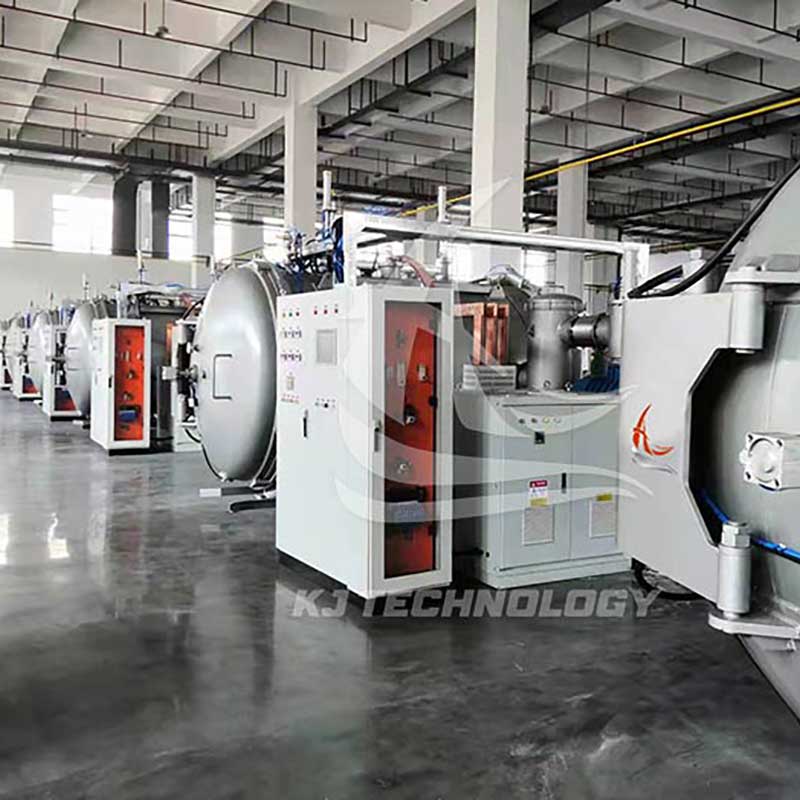
Intelligent Temperature Compensation Algorithm: Embed an adaptive compensation algorithm according to the temperature characteristics of different sintering stages (heating, holding, cooling) to correct the impact of external factors such as ambient temperature and power fluctuations on temperature control accuracy, achieving precise temperature control throughout the entire process.3. Atmosphere Control Technology: Regulating the Microenvironment of Ceramic Sintering(1) Core Objectives of Atmosphere ControlDuring ceramic sintering, the composition, pressure, and flow rate of the atmosphere directly affect the degumming, reduction, oxidation, and densification processes of the green body. Reasonable atmosphere control can: ① Remove organic substances such as binders and lubricants from the green body to avoid residual impurities; ② Inhibit the oxidation or volatilization of ceramic grains and protect material properties; ③ Regulate the sintering reaction rate and optimize the microstructure; ④ Prevent the green body from deformation or cracking at high temperatures.(2) Mainstream Atmosphere Control Technologies and Application ScenariosVacuum Sintering Atmosphere: Reduce the pressure in the furnace chamber to 10⁻²~10⁻⁵Pa through a vacuum pump, suitable for oxide ceramics (such as alumina, zirconia) and non-oxide ceramics (such as silicon nitride, silicon carbide). The vacuum environment can effectively discharge gas impurities from the green body, reduce pore defects, avoid oxidation reactions, and improve the component density.
Inert Gas Protection Atmosphere: Inject inert gases such as argon and nitrogen to maintain a slight positive pressure (0.1~0.3MPa) in the furnace chamber, suitable for oxygen-sensitive ceramic materials (such as aluminum nitride, zirconium boride). Inert gases can isolate air to prevent material oxidation, and at the same time, remove volatiles generated during sintering through gas flow to ensure component purity.
Reducing Atmosphere: Inject reducing gases such as hydrogen and carbon monoxide, or a mixture of hydrogen and nitrogen, suitable for ceramic green bodies containing metal oxides. The reducing atmosphere can reduce high-valent oxides in the green body to low-valent oxides or metal simple substances, optimizing the material's electrical conductivity, thermal conductivity and other properties.
Reactive Atmosphere: Inject gases that chemically react with ceramic materials (such as ammonia, methane), suitable for synthetic sintering processes (such as nitridation sintering of silicon nitride ceramics). The reactive atmosphere can provide the element source required for sintering, promoting the formation and densification of ceramic phases.(3) Key Technical Points of Atmosphere ControlGas Purity Control: The purity of inert gases should be ≥99.999%, and the impurity content of reducing gases should be strictly controlled (e.g., oxygen ≤10ppm) to avoid contaminating the green body;
Pressure and Flow Rate Regulation: Real-time control of gas pressure and flow rate through precision pressure reducing valves and flow meters to ensure stable atmosphere parameters;
Atmosphere Circulation and Purification: Adopt a gas circulation system to improve the uniformity of the atmosphere in the furnace, and remove impurities such as dust and moisture from the gas through filters.4. Coordinated Optimization of Temperature Control Accuracy and Atmosphere Control: Core Strategy for Improving Sintering Quality of Ceramic Components
Temperature control accuracy and atmosphere control are not independent; their coordinated cooperation is the key to achieving precision sintering. For example: in the sintering of zirconia ceramics, the heating rate should be controlled at ≤5℃/min during the heating stage, and argon gas should be injected for protection to avoid green body cracking caused by sudden temperature rise; during the holding stage, the temperature fluctuation should be controlled within ±0.5℃, and a slight positive pressure of argon should be maintained to promote uniform grain growth; during the cooling stage, slow cooling (2~3℃/min) is required, and argon gas should be continuously injected to prevent component deformation due to thermal stress.
In addition, with the help of an intelligent control system, the linked regulation of temperature control and atmosphere parameters can be realized: through preset sintering curves, the system automatically matches the temperature and atmosphere parameters of different stages, real-time monitors and feeds back data changes during the sintering process, and adjusts process parameters in a timely manner to ensure the consistency of product quality in each batch.5. Conclusion: Technological Upgrades Drive the Development of High-End Ceramic ManufacturingThe temperature control accuracy and atmosphere control technology of vacuum furnaces are the core technical supports for the precision sintering of ceramic components, and their technical level directly determines the performance and application scope of ceramic products. As the requirements for precision and reliability of ceramic components in the high-end manufacturing field continue to increase, vacuum furnace equipment is developing in the direction of "high-precision temperature control + precise atmosphere regulation + intelligent coordination". In the future, through the cross-integration of multiple disciplines such as materials science, control engineering, and thermodynamics, the sintering process will be further optimized, promoting the application breakthrough of ceramic components in a wider range of high-end fields.
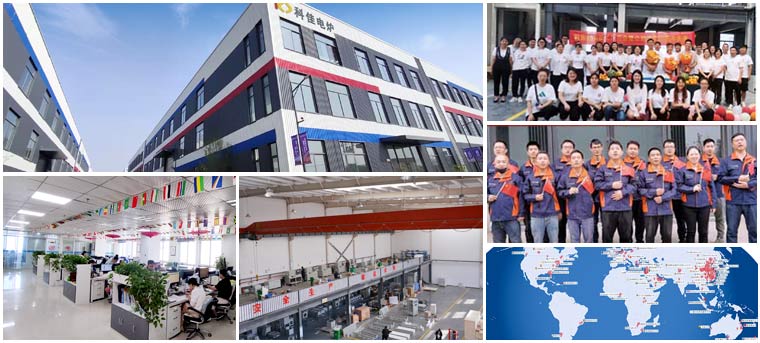
Zhengzhou KJ Technology Co., Ltd. is a high-tech enterprise specializing in the research, development and sales of heat treatment products. Our products cover muffle furnaces, tube furnaces, vacuum furnaces, atmosphere furnaces, CVD/PECVD systems, dental furnaces, bell type furnaces , trolley furnaces, etc., which are widely used in metallurgy, vacuum brazing, ceramic sintering, battery materials, metal processing , parts annealing, additive manufacturing, semiconductors, scientific intelligent instrumentation, aerospace and industrial automatic control systems and other different fields.
Please feel free to contact us.WhatsApp: +86 18037178440
Email: web@kejiafurnace.com
 English
 简体中文
简体中文 Русский язык
 Français
 日本語
日本語 한국어
한국어 Português
 Español
 Website navigation
 Position:









 Send E-mail:web@kejiafurnace.com
 Wechat/Whatsapp: +86 18037178440
 Company Tell: +(86)18037178440





 E-mail:web@kejiafurnace.com
 Tell:+(86) 18037178440
 Whatapp:+(86) 180-3717-8440
 Address:Room 1505, Building 9, No. 26 Dongqing Street, Zhengzhou High-tech Industrial Development Zone