Sudden Gas Valve Closure in Ventilated Muffle Furnace: Risks, Emergencies & Prevention
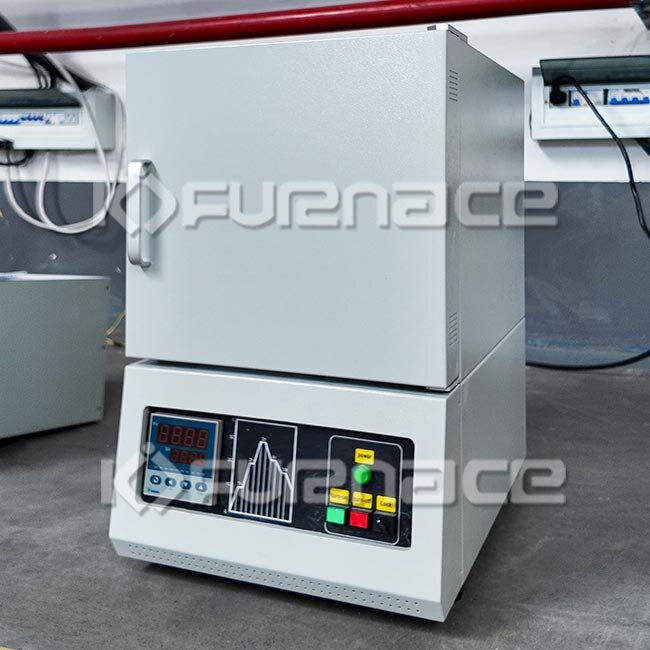
Widely used in metallurgy, material processing, laboratory testing and other industrial and scientific fields, ventilated muffle furnaces rely on continuous gas supply for stable operation. Sudden gas valve closure during operation may trigger physical explosions, chemical accidents, personal injuries and other risks. Below is a detailed breakdown of core risks, scenario-specific emergency measures and full-process prevention principles to ensure safe equipment operation.I. Three Core Risks of Sudden Valve Closure (with Trigger Mechanisms)1. Abnormal Pressure Causing Physical ExplosionDuring high-temperature operation, workpiece decomposition and volatile release continuously generate gas, while introduced gases circulate dynamically. Sudden valve closure blocks exhaust channels, leading to rapid pressure rise. When the pressure gauge exceeds the 0.02MPa safety threshold, furnace tube rupture, flange flying or furnace door bursting may occur, causing equipment damage and personnel impact injuries.
Conversely, sudden gas cutoff under positive pressure causes rapid temperature drop and negative pressure, forcing external air into the furnace. This may react with residual gas or deform the furnace due to pressure difference, damaging heating elements and resulting in high maintenance costs.
2. Atmosphere Out-of-Control Inducing Chemical ReactionsInterruption of protective atmosphere: After inert gas supply (nitrogen, argon, etc.) stops, air infiltration causes rapid oxidation and decarburization of high-temperature workpieces, leading to unqualified products, distorted experimental data, economic losses and research delays.
Accumulation of flammable gas: Unreacted flammable gases (hydrogen, etc.) accumulate in the furnace. When reaching the explosion limit, they will trigger violent explosions upon contact with high temperature or electric sparks.3. High-Temperature Aggravating Hazards to Personnel and EquipmentWith internal temperatures up to hundreds or thousands of degrees Celsius, abnormal pressure may burst the furnace door or eject high-temperature components, causing impact and scalding to operators. Forced door opening will lead to high-temperature air gushing out, resulting in severe burns. Meanwhile, pressure fluctuations and temperature shocks damage seals and heating elements, shortening equipment life and increasing maintenance costs and downtime.II. Scenario-Specific Emergency Measures (by Priority)1. Excessive Pressure (Pressure Gauge > 0.02MPa)① Wear high-temperature resistant gloves and goggles, quickly open the pressure relief valve/safety valve, and maintain a safe distance to avoid injury;
② Cut off the heating power supply, stop temperature rise and record pressure data for fault diagnosis;
③ Organize personnel to evacuate via safe passages, set up warning signs, and inspect only after pressure and temperature return to safe levels.2. Flammable Gas Leakage (Odor Detected, Alarm Triggered)① Ensure the main gas valve is fully closed to stop further leakage;
② Turn on ventilation equipment and open doors/windows to accelerate gas diffusion, and never block vents;
③ Prohibit touching open flames or electrical switches, cut off non-essential power if necessary, and evacuate immediately to contact professional rescue if concentration continues to rise.3. Handling of High-Temperature Furnace① Keep the furnace door closed, remove flammable and explosive items nearby to prevent secondary fires;
② Cool naturally to below 100℃, avoid forced cooling to prevent furnace cracking, and observe and record regularly;
③ After cooling, confirm normal pressure, open the door slowly sideways, and inspect workpieces and equipment inside.III. Full-Process Prevention Principles① Standardize operations: Prohibit arbitrary valve closure during operation; operators must receive professional training, monitor pressure and temperature in real time, and reduce pressure/temperature promptly when abnormal;
② Improve configuration: Equip with safety valves, rupture discs and other overpressure protection devices, calibrated and maintained every 3-6 months; install gas detection and alarm equipment for real-time monitoring;
③ Intelligent interlocking: Install furnace temperature-pressure interlocking systems to automatically cut off heating and relieve pressure when overpressured; equip flammable gas equipment with leakage interlocking shutdown devices;
④ Optimize environment: Maintain good ventilation in the workshop, reserve ≥1.5m safety distance for equipment, and set clear safety signs;
⑤ Hazardous gas protection: Use explosion-proof furnaces for hydrogen and other gases, inspect pipelines regularly, and equip emergency equipment for proficient use.
Special Reminder: Do not open the furnace door immediately after abnormal valve closure! Follow the "pressure relief → cooling → safety confirmation" process. Contact the manufacturer or professionals for serious accidents.
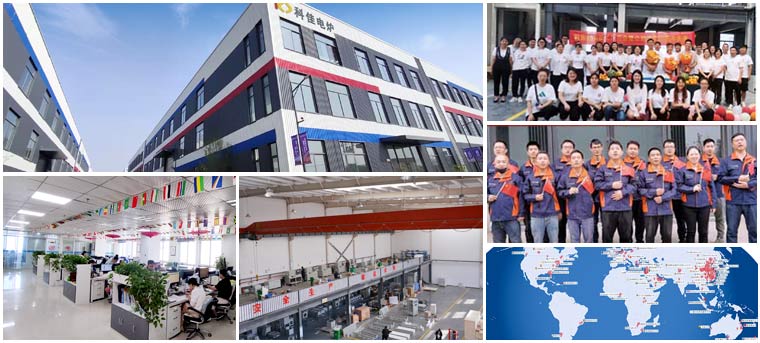
Zhengzhou KJ Technology Co., Ltd. is a high-tech enterprise specializing in the research, development and sales of heat treatment products. Our products cover muffle furnaces, tube furnaces, vacuum furnaces, atmosphere furnaces, CVD/PECVD systems, dental furnaces, bell type furnaces , trolley furnaces, etc., which are widely used in metallurgy, vacuum brazing, ceramic sintering, battery materials, metal processing , parts annealing, additive manufacturing, semiconductors, scientific intelligent instrumentation, aerospace and industrial automatic control systems and other different fields.
Please feel free to contact us.
WhatsApp: +86 18037178440
Email: web@kejiafurnace.com
 English
 简体中文
简体中文 Русский язык
 Français
 日本語
日本語 한국어
한국어 Português
 Español
 Website navigation
 Position:









 Send E-mail:web@kejiafurnace.com
 Wechat/Whatsapp: +86 18037178440
 Company Tell: +(86)18037178440









 E-mail:web@kejiafurnace.com
 Tell:+(86) 18037178440
 Whatapp:+(86) 180-3717-8440
 Address:Room 1505, Building 9, No. 26 Dongqing Street, Zhengzhou High-tech Industrial Development Zone